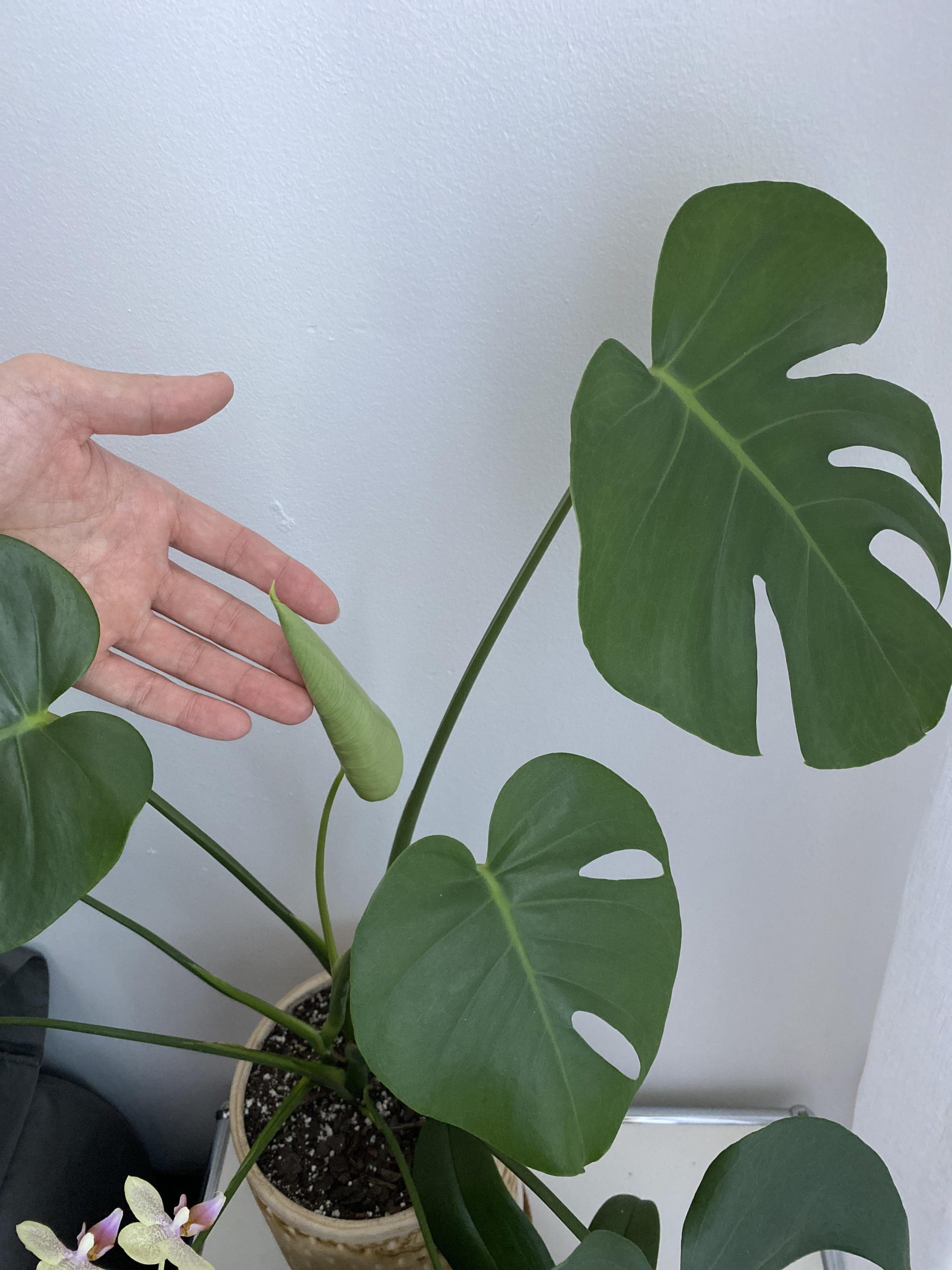
Monstera plants are known for their stunning, split leaves. But what happens if they stop fenestrating?
Many plant enthusiasts face this issue and wonder why it happens. Monstera plants, especially the popular Monstera deliciosa, develop holes and splits in their leaves as they mature. This process, called fenestration, adds to their unique charm. When your Monstera stops fenestrating, it can be frustrating and puzzling.
Several factors can influence this change, including light, water, and nutrients. Understanding these reasons is crucial for keeping your Monstera healthy and beautiful. In this blog post, we’ll explore why your Monstera might stop fenestrating and how to encourage those lovely splits to return. Dive in to learn more about caring for your Monstera and ensuring it thrives.

Common Causes
Are you worried because your Monstera plant has stopped fenestration? Fenestration, the natural formation of holes in the leaves, is important for the health and beauty of your Monstera. Let’s explore the common causes behind this issue and how to address them.
Lack Of Light
Lack of light is a frequent cause of halted fenestration. Monsteras need bright, indirect sunlight to thrive. Without enough light, the plant’s energy levels drop. This leads to fewer or no fenestrations.
Consider these tips to ensure proper lighting:
- Place your Monstera near a window with filtered light.
- Avoid direct sunlight to prevent leaf burn.
- If natural light is limited, use a grow light.
Improper Watering
Improper watering can also cause your Monstera to stop fenestration. Both overwatering and underwatering can stress the plant. This stress impacts its leaf development.
Here’s how to water your Monstera correctly:
- Check the top inch of soil. Water when it’s dry.
- Use a pot with drainage holes to avoid waterlogging.
- Ensure the soil is well-draining.
Following these steps can help revive the fenestration process in your Monstera.
Signs Of Stress
When your Monstera plant stops fenestrating, it may be under stress. Recognizing the signs early helps save your plant. Stress in a Monstera can present itself in various ways. Two common signs are yellowing leaves and stunted growth.
Yellowing Leaves
Yellowing leaves can indicate several issues. It may be due to overwatering or underwatering. Check the soil moisture levels regularly. Ensure proper drainage to avoid waterlogged roots.
Another reason could be nutrient deficiency. Monstera plants need balanced fertilizers. Yellowing leaves may signal a lack of essential nutrients. Use a quality fertilizer to nourish the plant.
Stunted Growth
Stunted growth is another sign of stress. It usually means the plant is not getting enough light. Monstera plants thrive in bright, indirect sunlight. Move your plant to a brighter spot if necessary.
Inadequate humidity can also stunt growth. Monstera plants prefer high humidity levels. Consider using a humidifier to maintain the right environment. Ensuring the plant has enough space to grow is crucial. Crowded roots can stunt growth. Repot the plant if needed.
| Sign | Possible Causes | Solutions |
|---|---|---|
| Yellowing Leaves | Overwatering, Nutrient Deficiency | Check soil moisture, Use balanced fertilizer |
| Stunted Growth | Lack of Light, Low Humidity | Move to brighter spot, Use a humidifier |
Optimal Lighting
Proper lighting plays a key role in ensuring that your Monstera plant develops its iconic fenestrations. Without the right amount of light, your Monstera may stop producing the characteristic splits and holes in its leaves. Let’s explore the optimal lighting conditions for your Monstera plant.
Natural Light
Monstera plants thrive in bright, indirect sunlight. Direct sunlight can burn their leaves, while too little light can hinder their growth.
- Place your Monstera near a north or east-facing window.
- Avoid direct sun exposure to prevent leaf damage.
- Rotate the plant regularly to ensure even light distribution.
During the winter months, consider moving your Monstera to a brighter spot to compensate for reduced sunlight.
Artificial Light Options
If natural light is insufficient, you can use artificial light to supplement your Monstera’s needs. Here are some options:
| Light Type | Benefits | Usage Tips |
|---|---|---|
| Fluorescent Lights | Energy efficient and affordable | Place 6-12 inches above the plant. |
| LED Grow Lights | Long-lasting and low heat emission | Choose full-spectrum LEDs for best results. |
| Incandescent Lights | Readily available | Not ideal as they emit too much heat. |
Position artificial lights to mimic natural light conditions. This ensures your Monstera gets consistent and adequate lighting.
Watering Techniques
Proper watering techniques can prevent Monstera plants from stopping their fenestration. Knowing how to water your Monstera correctly helps it thrive and develop those beautiful, split leaves. Let’s dive into the best practices for watering your Monstera to keep it healthy and ensure continued fenestration.
Soil Moisture Levels
Maintaining the right soil moisture levels is essential for Monstera plants. The soil should be moist but not waterlogged. Check the top inch of soil; it should be dry before the next watering. Overwatering can lead to root rot, which hampers leaf development.
Watering Schedule
Establishing a consistent watering schedule helps your Monstera grow well. Water your Monstera every one to two weeks. Adjust based on the season and indoor humidity levels. During warmer months, your plant may need more frequent watering. In cooler months, reduce watering to prevent overhydration.
Soil And Nutrients
Soil and nutrients play a crucial role in the health of your Monstera. A Monstera that stops fenestration may need a change in soil or nutrients. Let’s dive into the specifics of soil type and fertilizer needs.
Soil Type
Monstera plants thrive in well-draining soil. The soil should be rich in organic matter. A mix of potting soil, peat moss, and perlite works well. This blend ensures proper drainage and aeration. Avoid heavy clay soils. They retain too much water and can cause root rot. Re-pot your Monstera every two years to refresh the soil.
Fertilizer Needs
Monstera plants need regular feeding for optimal growth. Use a balanced liquid fertilizer during the growing season. Apply it every two weeks in spring and summer. Reduce feeding to once a month in fall and winter. Over-fertilizing can harm the plant. Always follow the instructions on the fertilizer package. Look for signs of nutrient deficiencies, like yellow leaves. Adjust your feeding schedule accordingly.

Temperature And Humidity
Monstera plants are well-loved for their unique leaf patterns known as fenestrations. However, several factors can cause these plants to stop developing fenestrations. Two critical factors are temperature and humidity. Ensuring the right conditions can help your Monstera thrive.
Ideal Temperature
Monstera plants thrive in warm environments. The ideal temperature range for these plants is between 65°F and 85°F (18°C to 29°C). Temperatures below 55°F (13°C) can cause stress and hinder fenestration. Here’s a quick table for reference:
| Temperature | Effect on Monstera |
|---|---|
| Below 55°F (13°C) | Stress and slowed growth |
| 65°F to 85°F (18°C to 29°C) | Optimal growth |
| Above 90°F (32°C) | Potential damage |
Keep your Monstera away from drafts, air conditioners, and heaters. Sudden temperature changes can affect their health.
Humidity Levels
Monstera plants originate from tropical regions. They prefer high humidity levels. Aim for a humidity level of around 60% to 80%. Low humidity can cause the leaves to dry out and stop fenestration. Here’s how you can maintain humidity:
- Use a humidifier in the room.
- Mist the leaves regularly.
- Place a tray of water near the plant.
- Group plants together to create a micro-climate.
Monitoring the humidity levels can help ensure your Monstera remains healthy and continues to develop fenestrations.
Pest Control
Proper pest control is crucial for maintaining the health of your Monstera plant. Pests can cause your Monstera to stop fenestration. This section will cover common pests and natural remedies to keep your plant healthy.
Common Pests
Several pests can affect your Monstera plant. Here is a list of the most common ones:
- Spider Mites: Tiny, sap-sucking insects that can cause yellow spots.
- Aphids: Small insects that cluster on new growth and suck plant juices.
- Mealybugs: White, cotton-like pests that weaken the plant.
- Thrips: Small, slender insects that feed on plant cells.
- Scale Insects: Hard-shelled pests that attach to stems and leaves.
Natural Remedies
Using natural remedies can help in controlling these pests without harming your plant. Here are some effective methods:
- Neem Oil: Mix one teaspoon of neem oil with water. Spray on the affected areas.
- Soap Solution: Mix a mild liquid soap with water. Apply to the pests directly.
- Rubbing Alcohol: Dab a cotton swab in alcohol. Wipe the affected areas.
- Garlic Spray: Crush garlic and mix with water. Spray on the plant.
- Beneficial Insects: Introduce ladybugs or lacewings to control pests naturally.
Regular inspection of your Monstera is essential. Look for signs of pests and treat them promptly. This practice will help your Monstera continue to thrive and fenestrate beautifully.

Pruning And Maintenance
Monstera leaves may stop fenestration due to lack of light or proper pruning. Regular maintenance and trimming encourage healthy growth. Keep your plant thriving with consistent care.
Pruning and maintaining your Monstera plant is essential. It helps keep the plant healthy and encourages fenestration. Proper care ensures your Monstera thrives and displays beautiful leaves.Pruning Techniques
Pruning helps control the size and shape of your Monstera. Use sharp, clean scissors or shears. Cut just above a node or leaf stem. Remove any yellow or damaged leaves. This promotes new growth and reduces disease risk. Prune in the growing season for best results. Avoid cutting more than 25% of the plant at once.Regular Maintenance Tips
Regular maintenance keeps your Monstera looking its best. Dust the leaves regularly. This helps the plant absorb more light. Check for pests like spider mites or aphids. Wipe the leaves with a damp cloth if needed. Water the plant when the top inch of soil is dry. Ensure the pot has drainage holes to prevent root rot. Rotate the plant every few weeks. This promotes even growth and fenestration. Fertilize monthly during the growing season with a balanced fertilizer. This provides essential nutrients for healthy leaves. “`Frequently Asked Questions
Why Did My Monstera Stop Fenestrating?
A Monstera may stop fenestrating due to insufficient light. Ensure it receives bright, indirect sunlight for optimal growth.
How Can I Encourage Monstera Fenestration?
To encourage fenestration, provide your Monstera with bright, indirect light and maintain high humidity. Regular watering helps too.
What Is The Best Light For Monstera Fenestration?
Bright, indirect sunlight is best for Monstera fenestration. Avoid direct sunlight as it can burn the leaves.
Does Monstera Need Fertilizer For Fenestration?
Yes, fertilize your Monstera monthly during the growing season. Use a balanced, water-soluble fertilizer for best results.
Conclusion
Caring for your Monstera can be rewarding and fun. Notice any changes in leaf fenestration? Check light, water, and nutrients. Adjust as needed. Remember, patience is key. Plants respond slowly. Keep a watchful eye. Your Monstera will thrive with proper care.
Happy growing!
Leave a Reply