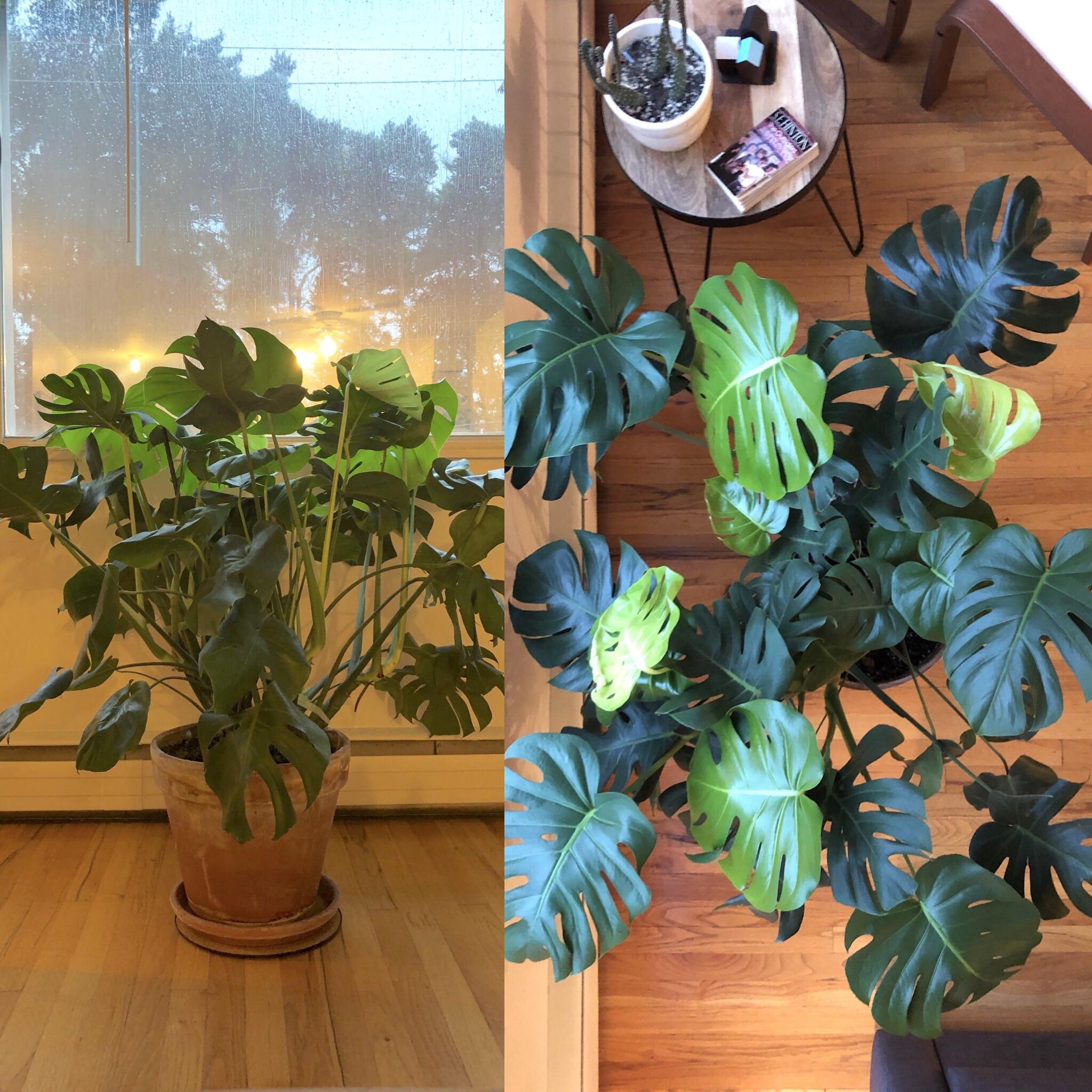
If your Monstera isn’t growing, it can be frustrating. You might wonder what you’re doing wrong.
Don’t worry; you’re not alone. Monstera plants are popular for their beautiful, large leaves. But sometimes, they can be stubborn about growing. There are many reasons why your Monstera might not be thriving. It could be the amount of light, water, or even the potting soil you’re using.
Understanding these factors can help you create the perfect environment for your plant. In this post, we will explore common issues and solutions. This will help you get your Monstera back to growing strong and healthy. Let’s dive into the details and see what’s affecting your plant.
Common Growth Issues
Monstera plants are a popular choice for indoor gardening. But sometimes, they don’t grow as expected. Many factors can affect their growth. Let’s discuss some common growth issues.
Poor Lighting
Monstera plants need bright, indirect light. If your plant doesn’t get enough light, it won’t grow well. Place your Monstera near a window with filtered light. Avoid direct sunlight. It can burn the leaves. If natural light is limited, use a grow light. This will help your plant get the light it needs.
Incorrect Watering
Watering issues can also hinder your Monstera’s growth. Overwatering can cause root rot. Underwatering can dry out the plant. Check the soil before watering. The top inch should be dry. Water thoroughly until water drains from the bottom. Ensure the pot has good drainage. This prevents excess water from staying in the soil.

Ideal Growing Conditions
Ensuring your Monstera grows well starts with understanding its ideal growing conditions. These plants thrive in specific environments. By recreating these conditions at home, you can help your Monstera flourish. Let’s explore some key factors.
Optimal Light Levels
Monsteras need bright, indirect light. Direct sunlight can burn their leaves. Place your Monstera near a window with filtered light. You can use sheer curtains for this purpose. If your space lacks natural light, consider using a grow light.
Here’s a simple table to guide you:
| Light Condition | Recommendation |
|---|---|
| Direct Sunlight | Avoid |
| Bright, Indirect Light | Ideal |
| Low Light | Use Grow Light |
Proper Humidity
Monsteras love high humidity. Aim for 60% humidity or higher. You can use a humidifier to maintain this level. Another option is to mist the leaves regularly.
Consider these tips to increase humidity:
- Group plants together
- Place a water tray near the plant
- Use a pebble tray
In dry climates, these steps can make a big difference.
Soil And Potting Tips
Is your Monstera not growing as expected? The soil and pot you use are key. Let’s dive into some essential tips to help your Monstera thrive.
Best Soil Mixes
A well-draining soil mix is vital for Monstera plants. Poor drainage can lead to root rot and stunted growth.
- Aroid Mix: This mix is perfect for Monsteras. It contains orchid bark, perlite, and peat moss.
- Peat-Based Mix: Peat moss retains moisture but still drains well. Mix it with perlite and pine bark.
- Coco Coir Mix: Coco coir is a sustainable option. Combine it with perlite and vermiculite for a balanced mix.
| Ingredient | Purpose |
|---|---|
| Orchid Bark | Improves aeration |
| Perlite | Enhances drainage |
| Peat Moss | Retains moisture |
| Coco Coir | Retains moisture sustainably |
| Pine Bark | Improves structure |
Choosing The Right Pot
The pot you choose affects your Monstera’s growth. A pot that is too small can limit root expansion and nutrient uptake.
- Size: Choose a pot that is 2-4 inches larger than the root ball.
- Drainage: Ensure the pot has drainage holes. This prevents waterlogging.
- Material: Terracotta pots are breathable. Plastic pots are lightweight but need more monitoring.
Repot your Monstera every 1-2 years. This gives the roots space to grow and helps prevent root-bound issues.
Fertilization Techniques
Is your Monstera plant not growing as you’d like? Proper fertilization can play a key role in its growth. In this section, we’ll explore effective fertilization techniques.
Types Of Fertilizers
Choosing the right fertilizer is crucial for your Monstera. Organic fertilizers, like compost or manure, provide natural nutrients. They improve the soil’s texture and health. Inorganic fertilizers, such as liquid or granular types, offer a quick nutrient boost. Liquid fertilizers are easy to apply and quickly absorbed by the plant. Granular fertilizers release nutrients slowly, providing a long-term benefit.
Fertilizing Schedule
Establishing a proper fertilizing schedule is essential. During the growing season, fertilize your Monstera every two weeks. This period usually spans from spring to early autumn. Reduce the frequency in winter when the plant’s growth slows. Over-fertilizing can harm your plant. Always follow the instructions on the fertilizer package.
Pruning And Maintenance
Proper pruning and maintenance are crucial for the healthy growth of your Monstera. If your plant isn’t growing as expected, it may need some attention. This section will guide you through effective pruning methods and regular care routines to help your Monstera thrive.
Pruning Methods
Pruning helps remove dead or yellow leaves, encouraging new growth. Use clean, sharp scissors or pruning shears. Cut just above a node to promote branching.
- Identify the stems that need pruning.
- Cut at a 45-degree angle above a node.
- Remove any yellow or damaged leaves.
Regular pruning also shapes your plant, making it look fuller and more vibrant. Be sure to prune during the growing season for the best results.
Regular Care Routines
Along with pruning, regular care is essential for your Monstera’s growth. Here are some key care routines to follow:
| Task | Frequency |
|---|---|
| Watering | Once a week |
| Fertilizing | Once a month |
| Cleaning leaves | Every two weeks |
| Checking for pests | Weekly |
Ensure the soil is moist but not soggy. Overwatering can lead to root rot. Use a balanced fertilizer to provide essential nutrients. Clean the leaves to remove dust and allow for better photosynthesis.
Inspect your Monstera for pests like spider mites or aphids. Early detection can prevent infestations and keep your plant healthy.

Pest And Disease Management
Healthy growth of your Monstera depends on effective pest and disease management. Pests and diseases can stunt your plant’s growth. Understanding common pests and preventing diseases is crucial.
Common Pests
Spider mites, mealybugs, and aphids are common pests. These pests feed on Monstera leaves. They cause discoloration and damage. Check the underside of leaves for small insects. Sticky residue or webbing indicates an infestation. Use insecticidal soap or neem oil. These products are effective and safe. Regularly inspect your plant to catch issues early.
Preventing Diseases
Good hygiene prevents most diseases. Remove dead leaves and debris. Ensure proper air circulation around the plant. Overwatering leads to root rot. Water the plant when the top inch of soil is dry. Use a well-draining soil mix. Avoid splashing water on leaves. Moist leaves encourage fungal growth. Disinfect tools before use. This reduces the spread of pathogens.
Propagation Methods
Propagation methods can help boost the growth of your Monstera plant. By understanding different propagation techniques, you can effectively encourage new growth. Let’s explore two popular methods: stem cuttings and air layering.
Stem Cuttings
Stem cuttings are a simple and effective way to propagate Monstera. Begin by selecting a healthy stem with at least one node. Use a clean, sharp knife to cut the stem just below the node. Place the cutting in water or moist soil. Ensure the node is submerged or buried. Keep the cutting in a warm, bright spot. In a few weeks, roots should start to develop. Once roots are established, transfer the cutting to a pot with soil.
Air Layering
Air layering is another method to encourage growth. Choose a healthy stem and make a small cut. Wrap the cut area with moist sphagnum moss. Cover the moss with plastic wrap and secure it. Keep the moss moist by misting it regularly. Roots will form within a few weeks. Once roots are visible, cut the stem below the root ball. Plant the new growth in soil. This method is great for larger Monstera plants.

Seasonal Care
Taking care of your Monstera plant varies by season. Each season brings unique needs and challenges. By understanding these seasonal requirements, you can help your plant thrive all year round.
Winter Care
During winter, Monsteras slow down their growth. The plant enters a dormancy period. Keep your Monstera in a warm spot, away from cold drafts. Reduce watering to prevent root rot. Ensure the soil stays barely moist. Use a humidifier to maintain humidity levels. Low humidity can cause brown leaf tips.
Provide indirect sunlight. Winter days are shorter, so place the plant near a bright window. Avoid direct sunlight, as it can burn the leaves. Rotate the plant occasionally to ensure even light exposure.
Summer Care
Summer is a growing season for Monsteras. Increase watering frequency as the soil dries out faster. Check the top inch of soil before watering. Keep the humidity high by misting the leaves or using a humidifier.
Place your Monstera in bright, indirect light. Direct sunlight can scorch the leaves. You may also fertilize monthly with a balanced fertilizer. This provides essential nutrients for growth. Prune any yellow or damaged leaves to encourage new growth.
Frequently Asked Questions
Why Is My Monstera Not Growing?
Your Monstera might not be growing due to insufficient light. Make sure it gets bright, indirect sunlight. Improper watering can also stunt growth. Ensure the soil is moist but not waterlogged. Check for pests and ensure it’s in a suitable temperature range.
How Often Should I Water My Monstera?
Water your Monstera when the top 2-3 inches of soil are dry. Overwatering can cause root rot. Ensure good drainage to prevent waterlogging. Frequency can vary with season and indoor conditions. Always check soil moisture before watering.
What Kind Of Light Does A Monstera Need?
Monsteras thrive in bright, indirect sunlight. Direct sunlight can scorch the leaves. Low light conditions can slow growth. Place your plant near a window with filtered light for best results. Rotate the plant occasionally to ensure even growth.
How Can I Encourage My Monstera To Grow?
Ensure your Monstera gets bright, indirect light. Water it properly and check soil moisture regularly. Use a well-draining potting mix. Feed it with balanced liquid fertilizer during the growing season. Repot if it becomes root-bound.
Conclusion
A thriving Monstera plant can be a rewarding sight. Ensure it’s getting the right light and water. Check for pests and provide proper nutrients. Repot if it seems root-bound. Patience and consistent care are key. With time, your Monstera will grow beautifully.
Keep monitoring its needs. Enjoy your journey with this stunning plant. Remember, a healthy Monstera brings life to your space. Happy gardening!
Leave a Reply