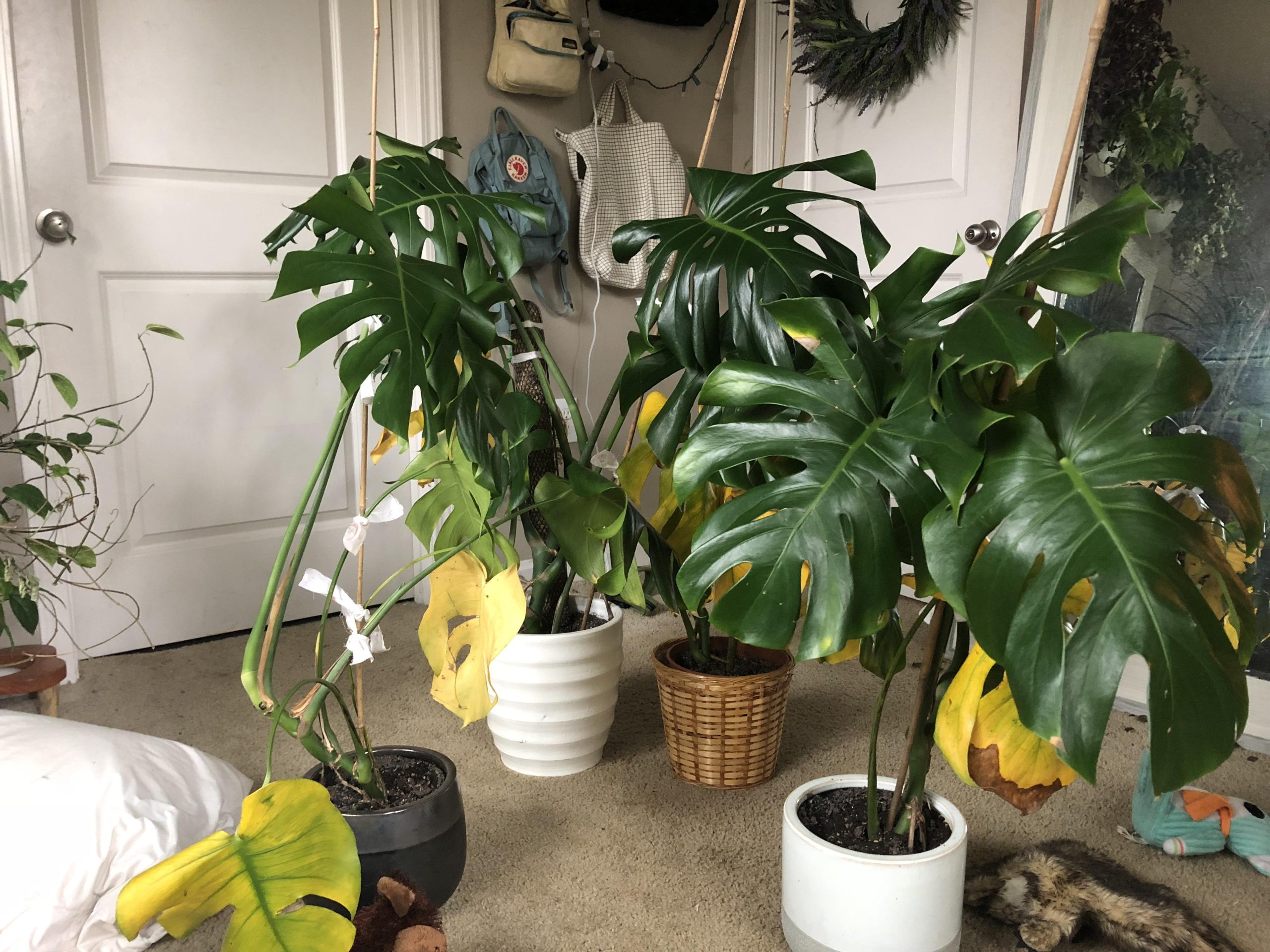
Yes, you can separate a Monstera. This process is known as propagation.
It helps the plant grow better and thrive. Monstera plants are popular for their large, beautiful leaves. They can grow quite big and sometimes need more space. Separating them helps manage their size and health. This process is not difficult but requires some care.
It involves dividing the plant into smaller sections. Each section can then grow into a new plant. This way, you can have more plants from one Monstera. It’s a great way to share plants with friends or just expand your indoor garden. In this blog, we will guide you through the steps to separate a Monstera properly. Let’s get started!

Introduction To Monstera Separation
Monstera plants are loved for their unique, split leaves. As they grow, they may need more space. Separating a Monstera can help it thrive. This process can seem daunting, but it’s quite simple. Let’s dive into the benefits and timing of separating Monstera plants.
Benefits Of Separating Monstera
Separating Monstera plants can promote healthier growth. Each section gets more light and nutrients. This leads to bigger, more vibrant leaves. Separation also prevents overcrowding. Overcrowded roots can stunt growth. By giving each plant more room, you help it flourish.
Another benefit is propagation. By separating, you can create new plants. These make great gifts for friends and family. Plus, they add more greenery to your home. Separation can also help manage plant size. If your Monstera becomes too large, separating it can keep it manageable.
When To Separate Monstera
Spring is the best time to separate Monstera plants. During spring, plants are in their active growth phase. This makes recovery easier for the separated sections. Look for signs that your Monstera needs separation. If roots are growing out of the pot, it’s time. Another sign is yellowing leaves. This can mean the plant is stressed from overcrowded roots.
When separating, ensure each new section has roots and leaves. This helps the new plants establish quickly. Also, water the plant a day before separation. This makes the roots easier to handle. With these tips, you can successfully separate your Monstera.
Tools And Materials Needed
Separating a Monstera can be a rewarding experience. To ensure success, you’ll need the right tools and materials. Here’s a comprehensive guide to help you gather everything you need.
Essential Tools
- Sharp Knife or Pruning Shears: These are crucial for making clean cuts.
- Clean Pots: Ensure you have pots ready for the separated sections.
- Fresh Potting Soil: Use soil suitable for Monstera plants.
- Gardening Gloves: Protect your hands from dirt and potential irritants.
Optional Tools
- Rooting Hormone: Helps in promoting faster root growth.
- Spray Bottle: Keeps the soil moist without overwatering.
- Old Newspapers or Plastic Sheets: Prevents mess while working.
- Small Trowel: Useful for handling soil and plant sections.
Having the right tools and materials can make the process of separating a Monstera easier and more efficient. Below is a table summarizing the essential and optional tools:
| Tool | Purpose |
|---|---|
| Sharp Knife or Pruning Shears | Making clean cuts |
| Clean Pots | Housing separated sections |
| Fresh Potting Soil | Providing nutrients |
| Gardening Gloves | Hand protection |
| Rooting Hormone | Promoting root growth |
| Spray Bottle | Moistening soil |
| Old Newspapers or Plastic Sheets | Preventing mess |
| Small Trowel | Handling soil and plants |
Preparing Your Monstera
Separating a Monstera can be an exciting project. Proper preparation ensures the health of your plant. Here’s how to get your Monstera ready for separation.
Watering Before Separation
Watering your Monstera well is crucial. A well-hydrated plant is easier to separate. Water the plant a day before you plan to separate it. This helps to loosen the soil and makes the roots more flexible.
Make sure the soil is moist but not soggy. Overwatering can lead to root rot, which will harm your plant. Use a watering can with a narrow spout for better control.
Choosing The Right Spot
Choosing the right spot for your Monstera is important. You want a place with bright, indirect light. Direct sunlight can scorch the leaves.
A spot near an east-facing window is ideal. Ensure the new location has enough space for the Monstera to grow. Use a table to compare different spots:
| Location | Light | Space |
|---|---|---|
| East-facing window | Bright, indirect | Adequate |
| North-facing window | Low light | Limited |
| South-facing window | Direct sunlight | Adequate |
Choose a spot with good air circulation. Poor air circulation can lead to mold and mildew. Avoid placing the plant near vents or drafts.
Removing The Monstera From The Pot
Before you separate your Monstera, you need to remove it from its pot. This process requires care to avoid damaging the plant. The goal is to extract the Monstera with its roots intact. Follow these steps to ensure a successful separation.
Loosening The Soil
First, you need to loosen the soil around your Monstera. Use a small garden trowel or your fingers. Gently work your way around the pot. This helps free the roots and makes extraction easier. Be patient and take your time.
- Insert the trowel around the edge of the pot.
- Move the trowel up and down to loosen the soil.
- Repeat this process until the soil is loose.
Gently Extracting The Plant
Now it’s time to extract the plant. Hold the base of the Monstera stem. Tilt the pot slightly. Slowly pull the plant out. If you feel resistance, stop and loosen more soil. Avoid pulling too hard.
- Hold the Monstera by its base.
- Tilt the pot to one side.
- Gently pull the plant out.
Inspect the roots once the plant is out. Healthy roots are white and firm. If you see any dark or mushy roots, trim them off. This helps keep your Monstera healthy.
| Step | Action |
|---|---|
| 1 | Loosen the soil around the plant. |
| 2 | Hold the plant by its base. |
| 3 | Tilt the pot and pull gently. |
| 4 | Inspect and trim unhealthy roots. |
Identifying Sections For Separation
Separating a Monstera can seem daunting. But with the right steps, it’s achievable. The key is identifying natural sections. This ensures the health of both plants.
Finding Natural Divisions
Look for natural divisions in your Monstera. These are areas where the plant splits. You might see separate stems or clusters. These are good spots to cut. Make sure each section has leaves and roots. This helps the new plant grow.
Checking Root Health
Examine the roots carefully. Healthy roots are white or light brown. They should be firm and not mushy. If roots are dark or soft, they may be rotting. Avoid using these sections. Healthy roots are key to a successful separation.

Separating The Monstera
Yes, you can separate a Monstera. This helps the plant grow better and makes more plants for you. Use clean tools and be gentle to avoid damage.
Separating a Monstera can help the plant grow better. You can give each new plant its own space. This process might seem tricky, but with care, it can be easy.Using Hands Or Tools
Use your hands to gently pull the plant apart. If the roots are too tangled, use a clean knife or scissors. Make sure they are sharp to avoid tearing the roots. This helps the plant stay healthy.Handling Roots Carefully
Roots are delicate. Handle them with care to avoid damage. Gently loosen the soil around the roots. This makes it easier to see where to separate the plant. If the roots break, the plant may struggle to grow. Be patient and take your time. “`Replanting The Separated Sections
Replanting the separated sections of a Monstera can seem daunting. But with the right steps, your plant will thrive. This guide will help you replant those sections successfully.
Choosing The Right Soil
Monstera plants need well-draining soil. A mix of peat moss, perlite, and pine bark works well. This combination provides good aeration and retains moisture. Avoid heavy soils that trap water. Excess water can lead to root rot.
Potting The New Plants
Choose pots with drainage holes. This prevents water from sitting at the bottom. Fill the pot halfway with the prepared soil. Place the Monstera section in the pot. Add more soil around the roots. Press the soil gently to remove air pockets.
Water the newly potted plant lightly. Keep it in a bright, indirect light spot. Avoid direct sunlight. It can scorch the leaves. Check the soil moisture regularly. Water when the top inch feels dry.

Post-separation Care
After successfully separating your Monstera, it’s crucial to provide proper care. This ensures each plant thrives in its new environment. Here are some essential tips for post-separation care.
Watering And Light Requirements
Water your separated Monstera plants with care. Allow the top inch of soil to dry out before the next watering. Overwatering can lead to root rot.
Place your Monstera in bright, indirect light. Direct sunlight can scorch the leaves. If the light is too low, growth may slow down.
Monitoring Plant Health
Keep a close eye on your plants. Check for signs of stress, like yellowing leaves or wilting. This might indicate issues with watering or light.
Inspect the roots regularly. Healthy roots are firm and white. Brown or mushy roots need attention. Trim any damaged roots.
Use a balanced fertilizer monthly during the growing season. This helps promote new growth and overall health.
| Care Aspect | Recommendation |
|---|---|
| Watering | Let top inch of soil dry before watering |
| Light | Bright, indirect light |
| Fertilizing | Monthly, during growing season |
By following these guidelines, your Monstera plants will thrive in their new pots. Happy gardening!
Troubleshooting Common Issues
Separating a Monstera can sometimes lead to various challenges. It’s crucial to address these issues promptly to ensure your plant thrives. Here are some common problems you might encounter and how to solve them.
Wilting Or Yellowing Leaves
Wilting or yellowing leaves are common after separating a Monstera. This can happen due to stress or improper care. Ensure the plant receives enough water, but avoid overwatering. Check the soil’s moisture level by sticking your finger an inch deep.
Lighting is another factor. Monstera plants need bright, indirect light. Too much direct sunlight can cause leaf burn, leading to yellowing. Conversely, too little light can result in wilting.
Temperature and humidity also play a role. Keep the plant in a room with temperatures between 65-85°F (18-29°C). Humidity should be around 60%. Using a humidifier or misting the leaves can help maintain the right conditions.
Slow Growth
If you notice slow growth after separation, it might be due to several reasons. Nutrient deficiency is a common cause. Ensure your Monstera has access to balanced fertilizer. Apply a diluted, balanced liquid fertilizer every 4-6 weeks during the growing season.
Root health is another crucial aspect. Inspect the roots for signs of rot or damage. Healthy roots are firm and white. Rotting roots appear brown and mushy. Trim any damaged roots before replanting.
Proper pot size matters too. A pot that’s too large can retain excess water, leading to root rot. A pot that’s too small can restrict growth. Choose a pot that’s 1-2 inches larger than the root ball.
Frequently Asked Questions
How Do I Separate A Monstera?
To separate a Monstera, carefully remove it from the pot. Gently untangle the roots. Use a clean knife to divide the root ball. Replant each section in fresh soil.
When Should I Separate My Monstera?
The best time to separate a Monstera is during its active growing season. This typically occurs in spring or early summer.
Can You Split A Monstera Plant?
Yes, you can split a Monstera plant. Carefully divide the root ball into sections. Each section should have roots and leaves.
What Tools Do I Need To Separate Monstera?
You will need a clean, sharp knife or pruning shears. A fresh pot and soil are also necessary.
Conclusion
Separating a Monstera can be a rewarding task. It helps the plant thrive. Proper care ensures healthy growth and beautiful leaves. Follow the steps we discussed. Always be gentle with the roots. Use clean tools for the best results. Repot the separated plants carefully.
Place them in a suitable spot. Water them well but avoid overwatering. Watch them grow and flourish. Enjoy the beauty of your thriving Monstera plants. Happy gardening!
Leave a Reply