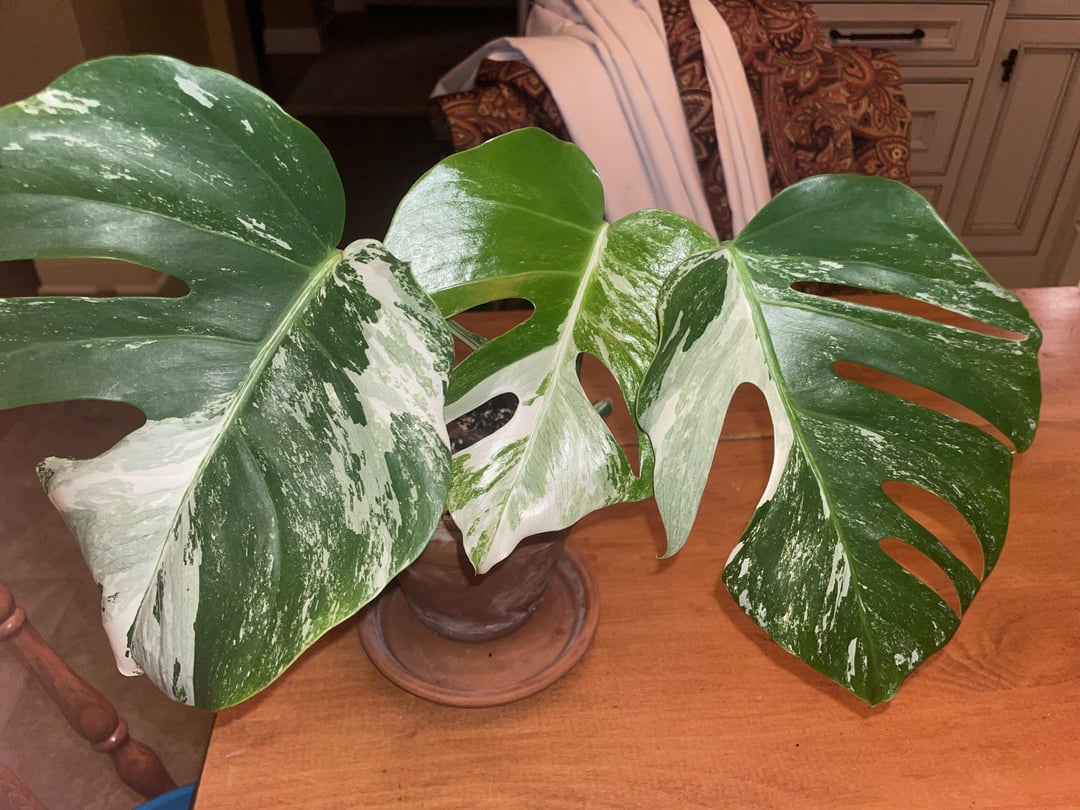
Yes, tap water is generally okay for Monstera plants. It depends on your water quality.
Monstera plants are popular for their stunning, unique leaves. Many plant lovers wonder if tap water is safe for these beauties. Water quality varies by location, affecting plant health. Some tap water contains chlorine or fluoride, which may harm plants.
Other tap water may have high mineral content, leading to buildup in the soil. Understanding your tap water and its impact on Monstera care is essential. This post explores how tap water affects Monstera plants and offers tips for ensuring your plant stays healthy. Ready to dive in? Let’s learn more about using tap water for your Monstera.
Introduction To Monstera Care
Monstera plants can tolerate tap water if it’s free of chlorine and fluorides. Let the water sit out for 24 hours. This allows harmful chemicals to evaporate.
Monstera plants are a popular choice for indoor gardeners. They are known for their large, unique leaves. Proper care is essential for these plants to thrive. One important aspect of Monstera care is water quality.Importance Of Water Quality
Water quality plays a crucial role in plant health. Tap water often contains chemicals like chlorine. These chemicals can harm Monstera plants over time. Using filtered or distilled water can prevent damage. Good water quality helps Monstera plants grow strong and healthy.Overview Of Monstera Plant
Monstera plants are native to tropical forests. They love warm, humid environments. Their leaves have natural holes, giving them a distinctive look. Monstera plants can grow quite large with the right care. They need bright, indirect light to thrive. Regular watering and proper humidity are key to their health. “`Tap Water And Monstera
Many plant lovers wonder if tap water is safe for their Monstera. Tap water is the most available water source for most people. But, does it harm your Monstera? Let’s explore common concerns and potential effects.
Common Concerns
Tap water often contains chlorine and fluoride. These chemicals can be harmful to plants. Some areas also have hard water. This means it has high mineral content, like calcium and magnesium. These minerals can build up in the soil. They may affect plant health over time.
Potential Effects
Chlorine can cause leaf burn in Monsteras. Leaves may turn brown or yellow. Fluoride can also damage leaves. Edges might turn brown and crispy. Hard water minerals can clog soil pores. This reduces oxygen to the roots.
Over time, this can stress the plant. Monsteras may show signs of poor health. Reduced growth, wilting, and yellow leaves are common. Regular monitoring is crucial. If you see these signs, consider switching to filtered water.
Chlorine And Fluoride Impact
Chlorine and fluoride are common in tap water. They can impact the health of your Monstera plant. Understanding their effects helps you take better care of your plant.
How Chlorine Affects Monstera
Chlorine is used to disinfect tap water. But it can harm your Monstera. Chlorine can cause leaf burn. You might see brown tips on the leaves. This is a sign of chlorine damage. To reduce chlorine, let the water sit out for 24 hours. This allows chlorine to evaporate.
Fluoride And Plant Health
Fluoride is added to tap water for dental health. But it is not good for plants. Fluoride can build up in the soil. This can cause yellowing of the leaves. Over time, it can damage your Monstera. Using filtered water can help. Or, you can use rainwater. These options have less fluoride.

Alternatives To Tap Water
Many plant enthusiasts often wonder about the best water for their Monsteras. While tap water is convenient, it may not always be the best choice. Chlorine and other chemicals in tap water can harm your Monstera. Thankfully, there are several alternatives to tap water that can help your plant thrive.
Using Filtered Water
Filtered water is a great option for watering your Monstera. It removes chlorine and other impurities that can damage your plant. Many affordable water filters are available on the market. They can easily be attached to your faucet. They ensure the water you use is free from harmful substances. Your Monstera will appreciate the cleaner water.
Benefits Of Rainwater
Rainwater is another excellent alternative to tap water. It is naturally soft and free from chemicals. Collecting rainwater is easy and eco-friendly. Use a clean container to catch rainwater during a shower. Store it in a cool, dark place until needed. Your Monstera will benefit from the natural nutrients found in rainwater.
Watering Techniques
Monstera plants are popular indoor plants known for their beautiful leaves. Proper watering techniques are essential to keep them healthy. Let’s explore the best watering practices to ensure your Monstera thrives.
Proper Watering Schedule
Establishing a consistent watering schedule is crucial for Monstera plants. Watering once a week is usually sufficient. However, check the soil before watering. The top inch of soil should be dry. Adjust the frequency based on your plant’s needs.
Signs Of Overwatering And Underwatering
Understanding the signs of overwatering and underwatering helps in maintaining a healthy Monstera. Look out for these symptoms:
- Overwatering: Yellowing leaves, root rot, and mushy stems.
- Underwatering: Brown, crispy leaves, and dry soil.
Keep an eye on these signs to adjust your watering routine accordingly.

Soil And Drainage Considerations
Proper soil and drainage are crucial for the health of your Monstera plant. Ensuring your Monstera has the right environment can help it thrive and grow beautifully. Let’s delve into the key soil and drainage considerations for your Monstera.
Choosing The Right Soil
Choosing the right soil is essential. Monsteras prefer soil that is rich and well-aerated. A good mix often includes:
- Peat moss
- Pine bark
- Perlite
These components ensure that the soil retains moisture but also drains well. This balance is important for preventing root rot and other issues.
Importance Of Good Drainage
Good drainage is vital for your Monstera’s health. Without proper drainage, water can accumulate at the roots. This can lead to root rot, a common issue for Monsteras.
To ensure good drainage, use pots with drainage holes. Additionally, placing a layer of gravel at the bottom of the pot can help.
Here’s a quick table to summarize the key points:
| Consideration | Details |
|---|---|
| Soil Mix | Rich, well-aerated (peat moss, pine bark, perlite) |
| Drainage | Pots with drainage holes, gravel layer |
By focusing on these soil and drainage considerations, your Monstera can thrive. Healthy roots lead to a healthy plant.
Additional Care Tips
Ensuring the healthy growth of your Monstera plant involves more than just watering. Tap water can be suitable, but additional care tips can help your plant thrive. This section will guide you through optimal light conditions and proper fertilizing techniques.
Optimal Light Conditions
Monstera plants love bright, indirect light. Place your plant near a window with filtered sunlight. Avoid direct sunlight as it can scorch the leaves. A north or east-facing window works best. Rotate the plant occasionally. This ensures even growth and prevents the plant from leaning toward the light source.
Fertilizing Monstera
Fertilizing your Monstera is crucial for its growth. Use a balanced, water-soluble fertilizer. Apply it once a month during the growing season. Dilute the fertilizer to half strength to avoid burning the roots. Reduce feeding in the winter months. Over-fertilizing can harm the plant, so follow the instructions on the fertilizer package.
Common Mistakes To Avoid
Growing a healthy Monstera requires understanding the common mistakes to avoid. Many plant enthusiasts make errors that can harm their Monstera. Avoiding these mistakes is key to keeping your plant thriving.
Overwatering Issues
Overwatering is a frequent mistake among Monstera owners. Too much water can cause root rot. Always let the soil dry out between waterings. Check the top inch of soil before watering. If it’s dry, water the plant. If it’s moist, wait a few more days. Use a pot with drainage holes to prevent water buildup.
Incorrect Light Exposure
Monstera plants need the right amount of light. Too much direct sunlight can burn the leaves. Too little light can stunt growth. Place your Monstera near a window with indirect sunlight. Avoid placing it in dark corners or under harsh, direct sun. Rotate the plant occasionally to ensure even light exposure.

Frequently Asked Questions
Is Tap Water Safe For Monstera?
Yes, tap water is generally safe for Monstera. However, it may contain chlorine or fluoride, which can harm the plant. Letting the water sit out for 24 hours can help dissipate these chemicals.
Should I Use Filtered Water For Monstera?
Using filtered water can be beneficial for Monstera. It reduces chemicals like chlorine and fluoride, promoting healthier growth. However, it’s not strictly necessary.
Can Hard Water Affect Monstera Health?
Yes, hard water can affect Monstera health. It contains high levels of minerals, which can lead to leaf discoloration and buildup in the soil.
How Often Should I Water Monstera With Tap Water?
Water Monstera when the top inch of soil is dry. This typically means watering once a week, but frequency can vary based on the environment.
Conclusion
Tap water can be fine for your Monstera with some care. Always check for chlorine and fluoride levels. Let water sit out overnight to reduce chemicals. Use a water filter if needed. Your Monstera can thrive with proper attention. Regularly monitor your plant’s health.
Adjust watering practices as necessary. Happy growing!
Leave a Reply