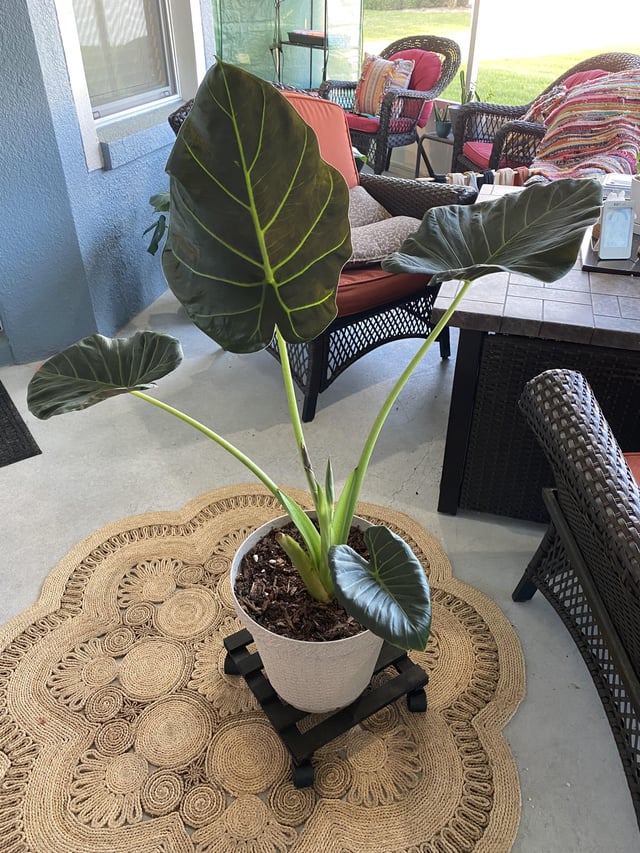
Monstera and Alocasia are two popular houseplants. Both have unique features and benefits.
Are you deciding between Monstera and Alocasia for your home? This comparison will help you understand which plant suits your style and environment best. Monstera, known for its large, split leaves, adds a tropical vibe to any room. Alocasia, with its striking, arrow-shaped leaves, brings an exotic touch.
Comparing these plants can guide you in selecting the ideal one for your space. We will explore their care needs, growth patterns, and aesthetic appeal. Let’s dive into the world of Monstera and Alocasia to see which one is perfect for you.
Monstera Characteristics
Monstera plants have become popular among plant enthusiasts. These tropical beauties are famous for their unique appearance and low maintenance. Let’s dive into the characteristics that make Monstera plants special.
Appearance
Monstera leaves are large, glossy, and heart-shaped. The most striking feature is their natural splits and holes. This gives them a unique and exotic look. Their vibrant green color adds a touch of freshness to any room.
These plants can grow quite large, making them a statement piece. The stems are thick and sturdy, supporting the broad leaves. Monstera’s appearance can transform any space into a tropical haven.
Growth Requirements
Monstera plants thrive in bright, indirect light. Direct sunlight can scorch their leaves. They prefer well-draining soil to prevent root rot. Watering should be done when the top inch of soil feels dry.
These plants enjoy a humid environment. Misting the leaves regularly can help maintain the needed moisture. They also appreciate occasional feeding during the growing season. A balanced, liquid fertilizer works best.
Monstera plants are relatively low maintenance. With the right conditions, they can grow vigorously and remain healthy. Their growth habits make them ideal for both beginners and experienced plant lovers.
Alocasia Characteristics
Alocasias, also known as Elephant Ear plants, are stunning additions to any home. Their unique features and needs make them fascinating. Let’s explore the characteristics of Alocasia plants.
Appearance
Alocasias have large, heart-shaped leaves. The leaves can be dark green or even have a metallic sheen. Some varieties have white veins, creating a striking contrast. The edges of the leaves may have a wavy or scalloped shape. The stems are thick and sturdy, supporting the heavy leaves. Alocasias can range from small potted plants to large specimens over six feet tall.
Growth Requirements
Alocasias need bright, indirect light. Too much direct sun can scorch their leaves. They thrive in humid environments. Indoor humidity can be increased with a humidifier or by placing the pot on a tray of wet pebbles. These plants prefer well-draining soil. Overwatering can lead to root rot. Allow the top inch of soil to dry out before watering. Alocasias benefit from regular feeding during the growing season. Use a balanced, water-soluble fertilizer every two to four weeks.
Care And Maintenance
Monstera and Alocasia plants both add a lush, tropical vibe to your home. However, their care and maintenance needs differ. Understanding these differences helps keep both plants healthy and vibrant. This section breaks down their specific requirements for watering and light.
Watering Needs
Monstera plants prefer soil that is consistently moist but not soggy. Water them thoroughly and then let the top inch of soil dry out. Overwatering can lead to root rot. Make sure the pot has good drainage.
Alocasia plants need more frequent watering. They thrive in soil that stays moist. Avoid letting the soil dry out completely. Use lukewarm water for best results. Ensure good drainage to prevent waterlogging.
Light Preferences
Monstera plants love bright, indirect light. They can tolerate low light but may grow slower. Avoid direct sunlight as it can scorch their leaves.
Alocasia plants require bright, indirect light. They need more light than Monsteras to thrive. Direct sunlight can also harm their leaves. Place them near a window with filtered sunlight.
Pest And Disease Resistance
Both Monstera and Alocasia are popular houseplants known for their unique foliage. However, they can face different pest and disease challenges. Understanding the common issues can help you keep your plants healthy and thriving.
Common Issues With Monstera
Monstera plants are generally resilient but can still fall prey to certain pests and diseases. Spider mites and mealybugs are frequent culprits. These pests can cause the leaves to turn yellow and drop. Regularly inspecting your Monstera can help catch these issues early.
Root rot is another common problem, often caused by overwatering. To prevent root rot, ensure the soil is well-draining and avoid watering too frequently. Using a pot with drainage holes can also help.
Common Issues With Alocasia
Alocasia plants are more sensitive to pests and diseases compared to Monstera. Aphids, spider mites, and scale insects are common pests. These pests can damage the leaves, leading to unsightly spots and stunted growth.
Leaf blight and powdery mildew are common fungal diseases affecting Alocasia. High humidity levels can make the plant more susceptible. Ensure good air circulation and avoid overhead watering to minimize the risk.
| Plant | Common Pests | Common Diseases |
|---|---|---|
| Monstera | Spider mites, Mealybugs | Root rot |
| Alocasia | Aphids, Spider mites, Scale insects | Leaf blight, Powdery mildew |
Regular maintenance and proper care can help in keeping both Monstera and Alocasia free from pests and diseases. Always inspect your plants and act quickly if you notice any issues.
Aesthetic Considerations
Aesthetic considerations are crucial when choosing between Monstera and Alocasia. These plants offer unique visual appeal. Understanding their differences helps you select the right one for your space. Let’s explore their leaf shape, size, and color variations.
Leaf Shape And Size
Monstera leaves are large and heart-shaped with deep splits. These splits create an eye-catching, tropical look. Monstera leaves can grow up to 3 feet wide. This makes them a statement piece in any room.
Alocasia leaves, on the other hand, are arrow-shaped and sleek. They often have striking veins that add texture. Alocasia leaves are typically smaller, around 1-2 feet long. Their unique shape adds elegance and sophistication to your space.
Color Variations
Monstera leaves are usually dark green. Some varieties have variegated patterns with white or yellow. These color variations can brighten up a room.
Alocasia leaves come in a wider range of colors. You can find them in shades of green, purple, and even black. Some varieties have metallic sheens. This adds a dramatic touch to your decor.

Environmental Impact
Choosing between Monstera and Alocasia can be difficult. Both plants offer unique benefits and contribute positively to the environment. Understanding their environmental impact helps make an informed decision.
Air Purification
Monstera and Alocasia both purify the air. Monstera is known for its large leaves. These leaves filter toxins like formaldehyde and benzene. This makes the air cleaner and healthier to breathe.
Alocasia also purifies the air. It absorbs pollutants through its leaves. This helps improve indoor air quality. Both plants are excellent for homes and offices.
Eco-friendliness
Monstera and Alocasia are both eco-friendly. Monstera grows well in low light. It needs less water and fertilizer. This reduces its environmental footprint.
Alocasia is also eco-friendly. It thrives in humid environments. It can be grown in water, reducing soil use. Both plants are sustainable choices.
Final Thoughts
Monstera and Alocasia are both stunning houseplants. Each has unique leaf shapes and care needs. Choose based on your home’s light and humidity levels.
Choosing between Monstera and Alocasia can be a tough decision. Both plants have unique features and care needs. To help you decide, consider your lifestyle and plant care experience.Choosing The Right Plant
Think about the space where you will place the plant. Monsteras grow large and need plenty of room. They thrive in bright, indirect light. Alocasias prefer moderate light and can fit in smaller spaces. Consider your climate. Monsteras are hardy and adaptable. They tolerate a range of conditions. Alocasias need a humid environment. They are sensitive to temperature changes. Assess your plant care skills. Monsteras are more forgiving. They can survive occasional neglect. Alocasias need more attention. They require consistent watering and humidity.Long-term Commitment
Monsteras grow fast and can become a centerpiece. They need regular pruning to control their size. Be prepared for a large plant over time. Alocasias grow slower but need frequent care. They may go dormant in winter, needing special attention. Think about your time commitment. Monsteras are low-maintenance. They need occasional watering and light adjustments. Alocasias demand more regular care. They need monitoring for pests and humidity levels. Both plants bring beauty and elegance to any space. Choose the one that fits your lifestyle and care capacity. Happy planting! “`

Frequently Asked Questions
What Are The Key Differences Between Monstera And Alocasia?
Monstera has split leaves, while Alocasia has arrow-shaped leaves. Monstera prefers indirect light, whereas Alocasia thrives in bright, indirect light. Monstera is more tolerant of low light conditions. Alocasia requires higher humidity than Monstera.
Which Plant Is Easier To Care For, Monstera Or Alocasia?
Monstera is generally easier to care for compared to Alocasia. It is more tolerant of varying conditions. Alocasia needs consistent humidity and light.
Can Monstera And Alocasia Be Grown Indoors?
Yes, both Monstera and Alocasia can be grown indoors. Monstera adapts well to indoor conditions. Alocasia requires more specific care, especially humidity.
What Type Of Soil Do Monstera And Alocasia Need?
Monstera prefers well-draining soil rich in organic matter. Alocasia also needs well-draining soil but benefits from slightly acidic conditions.
Conclusion
Choosing between Monstera and Alocasia depends on your space and care routine. Monstera is easier to maintain, thriving in low light. Alocasia, with its striking leaves, requires more attention. Both plants add beauty to any home. Think about your lifestyle and pick the one that fits best.
Enjoy the greenery and the joy of nurturing these lovely plants. Happy gardening!
Leave a Reply