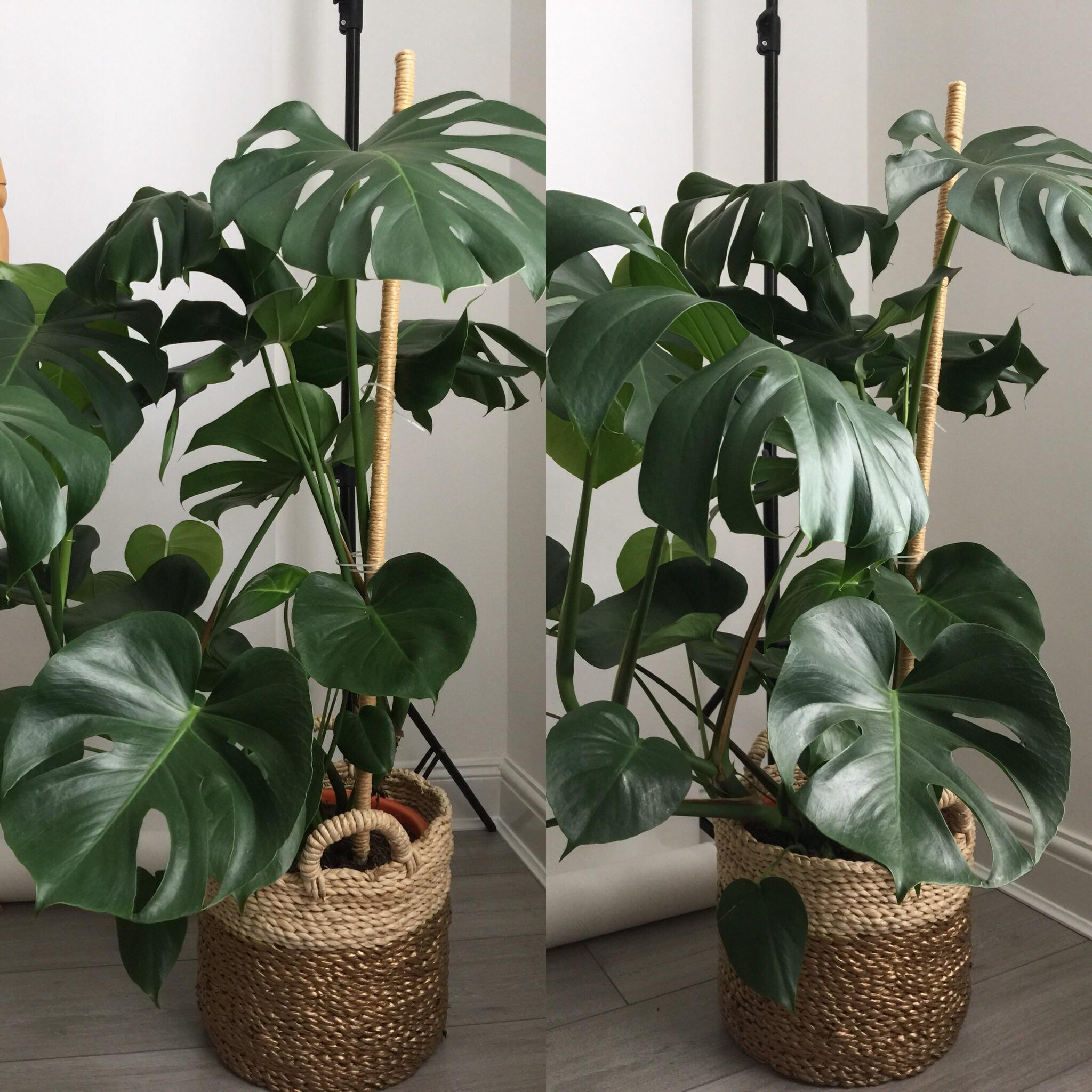
Monstera plants, with their iconic split leaves, are loved by many. But where do these fascinating plants naturally grow?
Monstera, also known as the Swiss Cheese Plant, thrives in tropical rainforests. These lush environments provide the perfect mix of warmth, humidity, and shade. Native to Central America, Monstera typically climbs trees, reaching for sunlight through the dense canopy. In their natural habitat, they grow under filtered light, which helps their leaves develop those unique holes.
Understanding where Monstera grow can help you replicate these conditions at home. This ensures your plant remains healthy and vibrant. Let’s explore the natural world of Monstera and learn how to create the best environment for them indoors.
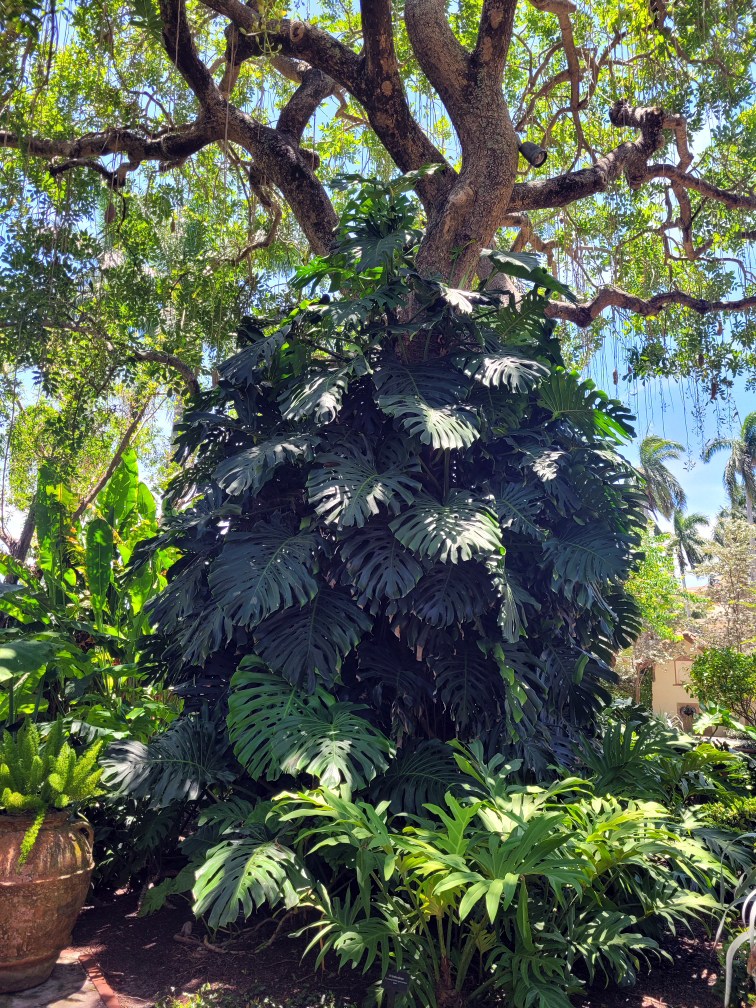
Introduction To Monstera Plants
Monstera plants have become quite popular in recent years. These tropical beauties are adored for their unique leaves and easy care. They can bring a touch of the jungle into any home.
Origins And Species
Monstera plants originate from the tropical forests of Central and South America. They thrive in warm, humid environments. There are over 45 different species of Monstera. The most common species include Monstera deliciosa and Monstera adansonii.
Monstera deliciosa, also known as the Swiss Cheese Plant, is famous for its large, holey leaves. Monstera adansonii, or the Swiss Cheese Vine, has smaller, perforated leaves. Both species can grow quite large in their natural habitats.
Popularity In Home Decor
Monstera plants have become a staple in home decor. Their large, glossy leaves add a touch of nature to any room. They are often used in modern and bohemian styles.
Their striking appearance makes them perfect for a statement piece. Many people place Monstera plants in living rooms, bedrooms, and offices. They are also popular in cafes and boutiques.
Here are some reasons why Monstera plants are so popular in home decor:
- Easy to care for
- Unique, attractive leaves
- Improves air quality
- Versatile in different interior styles
Whether you’re a plant enthusiast or a beginner, Monstera plants are a great choice. They bring life and beauty to any space.
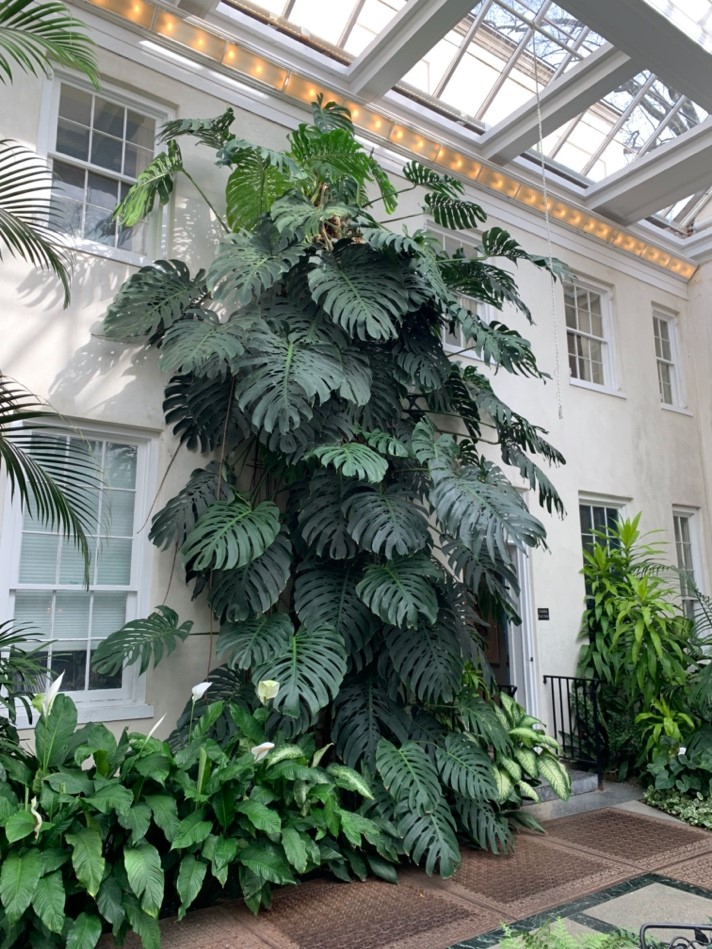
Geographical Distribution
Monstera plants, known for their striking leaves, grow in specific regions. Understanding their geographical distribution helps gardeners provide the right conditions. This section explores the native regions and countries where Monstera thrive.
Native Regions
Monstera plants originate from tropical forests. These areas offer the perfect balance of warmth and humidity. The dense canopy provides filtered sunlight, ideal for Monstera growth. They climb trees in their natural habitat, reaching for light.
Countries Where Monstera Thrive
Monstera plants are native to Central America. They thrive in countries like Mexico, Guatemala, and Panama. These regions offer the tropical climate Monstera plants need. Outside their native range, they grow well in tropical countries worldwide. They adapt to similar climates in Southeast Asia and parts of Africa. Even in non-tropical areas, indoor cultivation is possible. Many plant enthusiasts grow Monstera indoors with proper care.
Climate Preferences
Monstera plants thrive in specific climate conditions. Understanding these preferences is key to successful growth. Let’s explore the ideal temperature and humidity requirements for Monstera plants.
Ideal Temperature
Monstera plants prefer warm temperatures. The ideal range is between 65°F and 85°F. Temperatures below 50°F can harm the plant. Always keep your Monstera away from cold drafts. Sudden temperature drops can stress the plant. Place it in a stable environment for best results.
Humidity Requirements
Monstera plants love high humidity. Aim for 60% to 80% humidity levels. Dry air can cause brown leaf edges. Use a humidifier to maintain moisture in the air. Grouping plants together can also increase humidity. Mist the leaves regularly to keep them happy.
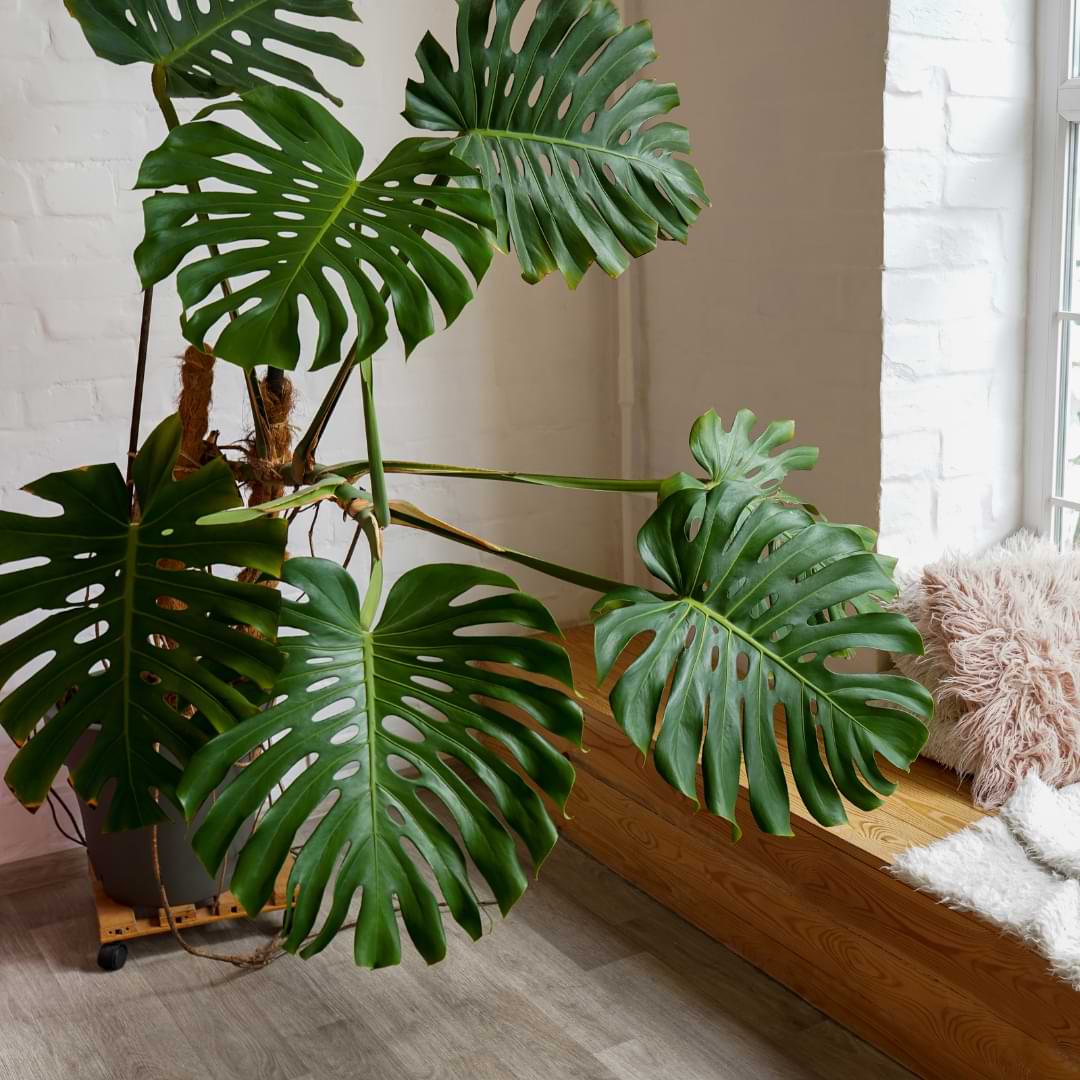
Natural Growth Environment
Monstera plants are known for their unique leaves and tropical origins. Understanding their natural growth environment is key to their care. These plants thrive in specific conditions that mimic their natural habitat. Let’s explore where Monstera grows best.
Rainforest Canopies
Monstera plants naturally grow in rainforest canopies. These plants climb trees to reach sunlight. They use their aerial roots to anchor themselves. The canopy provides filtered light, which is essential for Monstera growth. Direct sunlight can harm their leaves, so they prefer dappled light.
In rainforests, the humidity is high. Monstera plants thrive in this moisture-rich environment. Consistent humidity levels keep their leaves lush and healthy. Rainforest canopies offer the perfect blend of light and humidity.
Soil And Nutrient Needs
Monstera plants prefer well-draining soil. In their natural habitat, the soil is rich in organic matter. This type of soil provides essential nutrients for growth. A mix of peat, perlite, and bark works well for potted Monstera.
Here is a simple table for the soil mix:
| Component | Percentage |
|---|---|
| Peat | 40% |
| Perlite | 30% |
| Bark | 30% |
Regular feeding helps maintain their health. Use a balanced fertilizer every few weeks. This provides the nutrients they need to thrive. Avoid over-fertilizing, as it can damage the roots.
Monstera plants are sensitive to waterlogging. Ensure the pot has drainage holes. This prevents root rot and promotes healthy growth.
Adaptation Strategies
Monstera plants are well-known for their ability to adapt and thrive in diverse environments. Their unique adaptation strategies allow them to survive and grow in tropical rainforests. Let’s explore how Monstera plants have evolved to flourish in their natural habitat.
Climbing Mechanisms
Monstera plants have developed several climbing mechanisms to reach for sunlight. They use aerial roots, which grow from the stem and attach to surfaces like trees and rocks. These roots help the plant to climb upwards, seeking the light they need for photosynthesis.
The aerial roots also absorb moisture and nutrients from the air. This adaptation is crucial in the dense, shaded rainforests where they grow. The roots anchor the plant securely, allowing it to grow taller and reach more sunlight.
Leaf Structure And Purpose
Monstera leaves are large and have distinctive holes and splits. This unique leaf structure helps the plant in several ways:
- Light Optimization: The holes allow light to filter through to the lower leaves.
- Water Drainage: The splits and holes let rainwater pass through, reducing the risk of leaf rot.
- Wind Resistance: The holes decrease wind resistance, preventing damage during storms.
The large leaves also increase the surface area for photosynthesis. This helps the plant to produce more energy and grow faster.
Monstera plants have adapted well to their environment. Their climbing mechanisms and leaf structures are key to their survival and growth.
Common Species In The Wild
Monstera plants are famous for their unique leaves and tropical vibe. Many people know them as houseplants. But in the wild, they grow in lush forests. Here, we will look at two common species: Monstera Deliciosa and Monstera Adansonii.
Monstera Deliciosa
Monstera Deliciosa, also known as the Swiss Cheese Plant, is a popular species. This plant is native to the tropical forests of Southern Mexico and Panama. In the wild, it climbs trees and spreads wide leaves.
The leaves have natural holes. This helps them survive strong winds and rain. The plant produces a fruit that tastes like a mix of pineapple and banana. The fruit is edible when ripe but can be toxic if eaten too early.
| Feature | Description |
|---|---|
| Native Habitat | Southern Mexico to Panama |
| Leaf Shape | Large with holes |
| Fruit | Edible, tastes like pineapple and banana |
Monstera Adansonii
Monstera Adansonii, also known as the Swiss Cheese Vine, is another common species. It is found in Central and South America. This plant is smaller than Monstera Deliciosa but has similar holey leaves.
The holes in the leaves give it a lace-like appearance. This species is known for its climbing habit. It uses aerial roots to attach to trees and other surfaces. The plant prefers humid environments and plenty of shade.
| Feature | Description |
|---|---|
| Native Habitat | Central and South America |
| Leaf Shape | Smaller with more holes |
| Growth Habit | Climbing with aerial roots |
Ecological Role
Monstera plants, often called Swiss cheese plants, serve important roles in their natural habitats. These tropical plants play key parts in maintaining the health of their ecosystems. They interact with various forms of wildlife and contribute to the overall balance of their environment.
Interactions With Wildlife
Monstera plants provide food for many animals. Birds, insects, and small mammals feed on their fruits. The ripe fruits are rich in nutrients and attract many species. The plants’ large leaves offer shelter and nesting sites. Many creatures find protection among the broad foliage.
Monstera roots and stems also support other plant life. Epiphytic plants often grow on them. This creates a mini-ecosystem on a single plant. Such interactions highlight the plant’s role in supporting biodiversity.
Contribution To Ecosystem
Monstera plants enhance soil health. Their roots help stabilize the soil, preventing erosion. They also contribute to nutrient cycling. As leaves fall and decompose, they enrich the soil with organic matter. This process supports other plant growth.
These plants also influence microclimates. Their large leaves create shade, lowering the temperature of the area below. This cooling effect benefits both plants and animals. It helps maintain a suitable habitat for many species.
Monstera’s presence in tropical forests ensures a balanced and thriving ecosystem. Their ecological roles underline their importance beyond mere decorative appeal.
Conservation Efforts
Monstera plants are native to the tropical forests of Central and South America. They are well-loved for their unique foliage and air-purifying qualities. Yet, their natural habitats face numerous threats. Conservation efforts play a crucial role in ensuring these beautiful plants thrive in the wild.
Threats To Natural Habitat
The natural habitats of Monstera plants are under constant threat. Deforestation is a major issue. Large areas of forests are cleared for agriculture, logging, and urban development. This results in habitat loss for many species, including Monstera.
Climate change also poses a significant threat. Changes in temperature and rainfall patterns affect the growth and survival of these plants. Increased frequency of extreme weather events like hurricanes can destroy large forest areas.
Illegal plant trade is another concern. Some people collect Monstera plants from the wild to sell them. This reduces the number of plants in their natural habitats, further endangering them.
Protection Initiatives
Various initiatives aim to protect Monstera plants and their habitats. Protected areas are established to conserve crucial ecosystems. These areas restrict human activities like logging and agriculture.
Reforestation projects help restore degraded habitats. Planting native trees and plants, including Monstera, helps rebuild the forest ecosystem. These projects also provide habitats for other wildlife.
Education and awareness programs play a vital role. They inform the public about the importance of conserving Monstera and other plants. These programs encourage sustainable practices and reduce illegal plant trade.
International cooperation is essential. Countries work together to create and enforce laws that protect endangered species. This collaboration helps monitor and control illegal activities that threaten Monstera plants.
| Threats | Protection Initiatives |
|---|---|
| Deforestation | Protected areas |
| Climate change | Reforestation projects |
| Illegal plant trade | Education and awareness programs |
| Habitat loss | International cooperation |
Cultivating Monstera At Home
Growing a Monstera at home can be a rewarding experience. These tropical plants, known for their unique leaves, thrive when given the right care. This section will guide you through creating the perfect conditions for your Monstera and addressing common challenges.
Mimicking Natural Conditions
To help your Monstera thrive, try to mimic its natural habitat. Monsteras are native to tropical rainforests. They love warm, humid environments and indirect sunlight.
| Condition | Ideal Setting |
|---|---|
| Temperature | 65-85°F (18-29°C) |
| Light | Bright, indirect sunlight |
| Humidity | 60-80% |
Place your Monstera near a window with filtered light. Avoid direct sun, which can scorch its leaves. Use a humidifier or mist the leaves to maintain humidity. Keep the temperature stable, avoiding cold drafts and sudden changes.
Common Challenges And Solutions
While Monsteras are generally easy to care for, they can face some issues. Here are common problems and solutions:
- Yellowing Leaves: This can be due to overwatering. Let the soil dry out before watering again.
- Brown Tips: Low humidity can cause this. Increase humidity by misting or using a humidifier.
- Pests: Spider mites and scale can attack your Monstera. Use insecticidal soap to treat infestations.
- Leggy Growth: Lack of light can cause this. Move your Monstera to a brighter spot.
By addressing these issues promptly, you can keep your Monstera healthy and thriving. Regularly check the plant for signs of stress and adjust care routines as needed.
Frequently Asked Questions
Where Do Monstera Plants Naturally Grow?
Monstera plants naturally grow in tropical rainforests. They are native to Central and South America. They thrive in humid environments with filtered sunlight.
Can Monstera Grow Indoors?
Yes, Monstera can grow indoors. They adapt well to indoor conditions. Ensure they receive indirect sunlight and proper humidity.
What Climate Is Best For Monstera?
Monstera thrive in warm, humid climates. They prefer temperatures between 65-85°F. Avoid cold drafts and dry environments.
Do Monstera Need A Lot Of Sunlight?
Monstera need bright, indirect sunlight. Direct sunlight can scorch their leaves. Low light can stunt their growth.
Conclusion
Monstera plants thrive in tropical rainforests. They love warm, humid environments. These plants can grow indoors and outdoors. Indoors, they need indirect sunlight and regular watering. Outdoors, they prefer shaded spots with rich soil. Monstera plants are easy to care for and add beauty to any space.
Whether in a pot or garden, they can flourish with proper attention. So, create the right conditions and enjoy their stunning leaves. Happy growing!
Leave a Reply