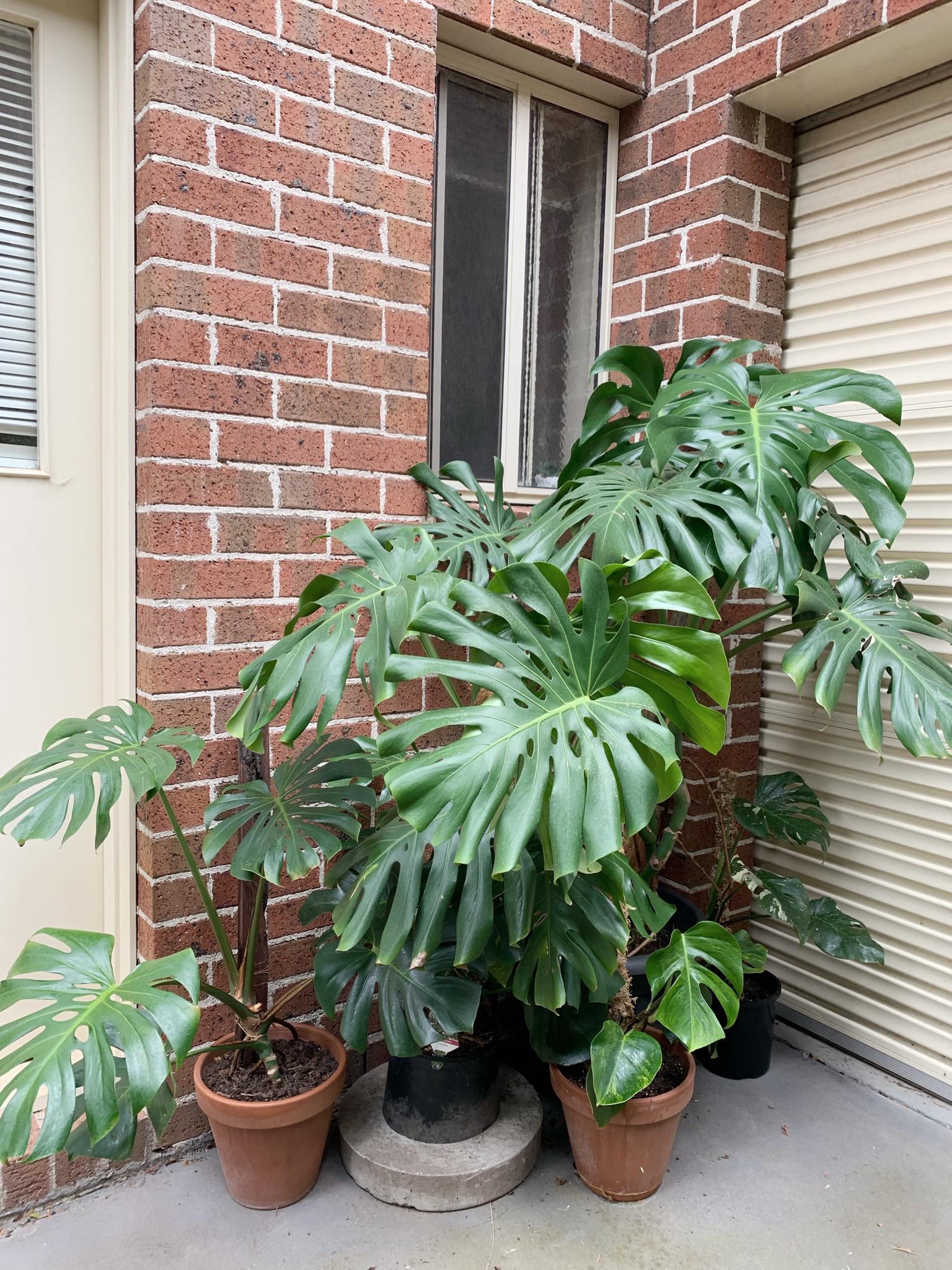
Yes, Monstera can live outside, but there are factors to consider. Temperature, humidity, and light are key for its survival outdoors.
Monstera, also known as the Swiss Cheese Plant, is a favorite among plant lovers. Its large, perforated leaves add a tropical vibe to any space. While it’s typically grown indoors, many wonder if it can thrive outside. The answer depends on the climate and care provided.
Monstera can adapt to outdoor life in the right conditions. Ideal temperatures range between 65°F to 85°F. Too much direct sunlight or frost can harm it. With proper care, your Monstera can flourish outside, adding beauty to your garden or patio. Let’s explore how to make this possible.
Outdoor Monstera Basics
Monstera plants are popular for their striking, split leaves and tropical vibe. Many plant enthusiasts wonder if these beauties can thrive outdoors. Understanding the basics of outdoor Monstera care is essential. Let’s dive into some key considerations.
Climate Considerations
Monsteras thrive in warm and humid environments. They can live outside in USDA hardiness zones 10-12. These zones provide the right temperature range for the plant. Monsteras cannot tolerate frost. Cold weather can damage or kill them. In cooler climates, bring them indoors during winter. Ensure they are not exposed to temperatures below 50°F (10°C).
Ideal Locations
Monsteras prefer shaded or partially shaded areas. Direct sunlight can scorch their leaves. Choose a spot with filtered light. Under a tree or near a shaded patio works well. Ensure the location has good air circulation. This helps prevent fungal infections.
Well-draining soil is crucial. Monsteras do not like waterlogged roots. Raised beds or containers with drainage holes are ideal. Regularly check the soil moisture. Water when the top inch feels dry. Avoid overwatering to keep the plant healthy.
Choosing The Right Variety
Deciding to grow a Monstera plant outdoors involves picking the right variety. Not all types of Monstera can handle outside conditions. Some thrive better indoors. By choosing the right variety, your Monstera can flourish in its new outdoor home.
Best Monstera Types
Different Monstera types suit different climates. Below are the top varieties for outdoor growth:
- Monstera Deliciosa: Best for warm climates.
- Monstera Adansonii: Ideal for areas with less direct sunlight.
- Monstera Borsigiana: Smaller and more adaptable.
Size And Growth Habit
Understanding the size and growth habit of each Monstera type helps in making the right choice. Here is a quick comparison:
| Monstera Type | Size | Growth Habit |
|---|---|---|
| Monstera Deliciosa | Up to 10 feet | Spreads wide, needs space |
| Monstera Adansonii | Up to 6 feet | Climbing, needs support |
| Monstera Borsigiana | Up to 8 feet | Compact, less spreading |
Choose a variety based on your space and climate. Make sure your Monstera gets enough room to grow and thrive.
Soil Requirements
Monstera plants are known for their iconic split leaves. They thrive indoors, but can they live outside? Yes, they can! One key factor for their success is the soil requirements. Understanding the right soil type and drainage needs is crucial. Let’s dive into it.
Soil Type
Monstera plants prefer well-aerated, loose soil. This helps their roots breathe and grow. An ideal mix includes:
- Peat moss
- Pine bark
- Perlite or sand
This combination ensures the soil is both nutrient-rich and well-draining. Avoid heavy clay soils. They retain too much water and can cause root rot.
Drainage Needs
Proper drainage is vital for Monstera plants. Ensure the soil drains well to prevent waterlogging. Here are some tips:
- Use pots with drainage holes.
- Layer the bottom with gravel or small stones.
- Check soil moisture regularly. Water when the top inch is dry.
Good drainage helps maintain the right moisture level. It prevents fungal infections and root decay.

Watering Schedule
Understanding the watering schedule for your outdoor Monstera is crucial. It ensures the plant thrives in its new environment. Outdoor conditions differ significantly from indoor settings. Thus, you’ll need to adjust your watering routine accordingly.
Frequency
Outdoor Monsteras typically need more frequent watering. Weather conditions like sunlight, wind, and rain influence their needs. Generally, you should water your Monstera every 2-4 days during the summer. In cooler months, reduce this to once a week. Always check the soil before watering. If the top inch is dry, it’s time to water.
Amount
The amount of water your Monstera needs varies with its size and the weather. Ensure the soil is moist but not waterlogged. Overwatering can lead to root rot. A good rule is to water until you see water draining from the bottom. This ensures deep watering, promoting strong root growth. In rainy seasons, you might need to water less. Always monitor your plant’s condition.
Sunlight Needs
Understanding the sunlight needs of your Monstera plant is crucial for its health and growth. While these tropical plants can thrive outdoors, providing the right amount of light ensures they flourish. Let’s explore the specifics of their light requirements.
Light Levels
Monstera plants prefer bright, indirect light. Direct sunlight can scorch their leaves. Outdoors, place your Monstera in a spot where it receives filtered light. For example, under a canopy or near taller plants can work well. Ensure the plant gets at least 6 hours of light daily.
Shade Protection
Protecting your Monstera from harsh sunlight is vital. Use a shade cloth or position it in a naturally shaded area. This prevents leaf burn and keeps the plant healthy. During peak sun hours, additional shade may be needed.
| Light Condition | Recommendation |
|---|---|
| Bright, Indirect Light | Best for growth |
| Direct Sunlight | Can scorch leaves |
| Filtered Light | Ideal location |
- Bright, indirect light is essential for Monstera.
- Avoid direct sunlight to prevent damage.
- Use shade cloth for extra protection.
Temperature Tolerance
Monstera plants thrive best within specific temperature ranges. Understanding these ranges ensures your Monstera stays healthy outdoors. Let’s explore the ideal conditions and protective measures for your Monstera.
Optimal Ranges
Monstera plants prefer temperatures between 65-85°F (18-29°C). This range mimics their natural tropical habitat. Keeping temperatures within this range promotes growth and vitality.
Avoid exposing Monstera to temperatures below 50°F (10°C). Low temperatures can cause stress and hinder growth. Aim to maintain a consistent temperature for the best results.
Frost Protection
Monstera plants cannot tolerate frost. Frost can damage leaves and stems. If you live in a frost-prone area, take precautions. Move your Monstera indoors during cold spells. Use frost blankets to cover outdoor plants.
Ensure the plant is in a sheltered location. Avoid exposing it to freezing winds. Proper protection helps prevent frost damage and keeps your Monstera healthy.
Pest And Disease Control
Monstera plants are popular for their large, beautiful leaves. Yet, they can face pests and diseases. Keeping your Monstera healthy outdoors involves managing these issues. Below are some tips on how to control pests and prevent diseases.
Common Pests
Monstera plants are susceptible to several pests. These pests can damage leaves and stunt growth.
- Spider Mites: Tiny insects that suck sap from the leaves.
- Aphids: Small, green insects that cluster on new growth.
- Mealybugs: White, cotton-like bugs found on stems and leaves.
- Scale: Hard-shelled insects that attach to the plant.
Preventive Measures
Taking preventive steps helps keep your Monstera healthy.
- Regular Inspection: Check the plant weekly for signs of pests.
- Proper Spacing: Place plants where air can circulate.
- Clean Leaves: Wipe leaves with a damp cloth to remove dust.
- Natural Predators: Encourage ladybugs to control aphids.
Incorporating these preventive measures can help your Monstera thrive outside. Regular care and attention will keep pests and diseases at bay.
Fertilizing Tips
If you plan to grow Monstera outside, fertilizing is essential. This ensures robust growth and lush leaves. Let’s explore some tips to help you.
Best Fertilizers
Monstera plants benefit from balanced fertilizers. A 20-20-20 formula works well. Organic options like compost or worm castings are also good choices. Liquid fertilizers are easy to apply and absorb quickly.
Application Timing
Fertilize your Monstera during the growing season. This is typically from spring to early fall. Apply fertilizer every 4 to 6 weeks. Avoid fertilizing in winter, as the plant’s growth slows down.

Frequently Asked Questions
Can Monstera Survive Outside Year-round?
Monstera can survive outside in tropical and subtropical climates year-round. In colder regions, bring them indoors during winter.
What Temperature Is Ideal For Outdoor Monstera?
Ideal outdoor temperatures for Monstera range between 60-85°F. Avoid exposing them to temperatures below 50°F.
How Much Sunlight Does Outdoor Monstera Need?
Monstera prefers bright, indirect sunlight outdoors. Direct sunlight can scorch their leaves, so provide partial shade.
Can Monstera Grow In Outdoor Pots?
Yes, Monstera can thrive in outdoor pots. Ensure the pot has drainage holes and use well-draining soil.
Conclusion
Monstera plants can thrive outside with proper care. Ensure they get indirect sunlight. Protect them from strong winds and frost. Water them regularly, but avoid overwatering. Use well-draining soil to prevent root rot. Consider moving them indoors during extreme weather.
With the right conditions, your Monstera will flourish outdoors. Enjoy the beauty and lush greenery it brings to your garden.
Leave a Reply