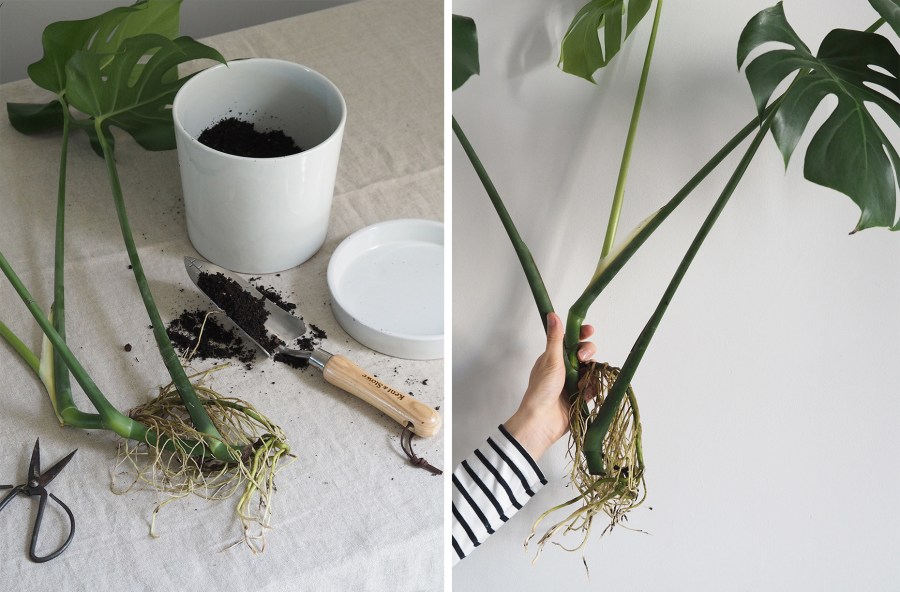
Propagating Monstera can be exciting for plant lovers. The best time to do this is during the growing season, typically in spring or early summer.
This period ensures the cuttings root well and grow strong. Monstera plants, known for their beautiful, split leaves, thrive in warm, humid conditions. As the days get longer and temperatures rise, the plant enters its active growth phase. This is when it produces new leaves and roots more efficiently.
Propagating during this time gives your cuttings the best chance to develop into healthy plants. Understanding the right timing is crucial for success. Now, let’s delve deeper into why these months are ideal and how to ensure your propagation efforts are fruitful.
Introduction To Monstera Propagation
Monstera plants, known for their large, perforated leaves, are popular houseplants. Propagating Monstera can be a rewarding experience. It allows you to create new plants from your existing ones. This guide will help you understand the best time to propagate Monstera and the benefits of doing so.
Why Propagate Monstera
Propagating Monstera is a simple way to expand your plant collection. It’s also a great way to share plants with friends and family. Here are some common reasons to propagate Monstera:
- Plant Health: Removing sections for propagation can improve the health of the mother plant.
- Cost-Efficient: You can grow new plants without buying them.
- Gift Giving: Propagated plants make thoughtful and personal gifts.
Benefits Of Propagation
There are several benefits to propagating Monstera. These benefits include:
- Increased Plant Numbers: You can create many new plants from one.
- Stronger Plants: Propagated plants often grow stronger and healthier.
- Customization: You can shape and control the growth of new plants.
Propagation also helps you understand your plant’s lifecycle. This knowledge can enhance your overall gardening skills. Plus, it’s a fun and educational activity!
Ideal Seasons For Propagation
Knowing the best time to propagate your Monstera is crucial. The plant’s health and growth rate depend on it. Let’s explore the ideal seasons for propagation.
Spring Propagation
Spring is an excellent time for propagation. The weather is mild, and new growth is just beginning. This season provides ample sunlight, which is vital for the plant’s development.
During spring, Monstera plants are actively growing. This makes it easier for cuttings to establish roots. Here’s a simple step-by-step guide:
- Choose a healthy stem with at least one node.
- Use a clean, sharp knife to make a cut below the node.
- Place the cutting in water or soil.
- Ensure the cutting gets indirect sunlight.
- Keep the soil moist or change the water regularly.
Following these steps in spring increases the chance of successful propagation. The plant’s natural growth cycle supports this process.
Summer Propagation
Summer is also a great time for propagation. The warm weather and longer days provide the necessary conditions for root growth.
In summer, ensure the Monstera cuttings are kept in a cool place. Direct sunlight can be too intense. Here’s a quick checklist for summer propagation:
- Pick a stem with a node.
- Cut below the node with a clean tool.
- Place the cutting in water or soil.
- Avoid direct sunlight.
- Maintain humidity around the cutting.
By following these tips, you can propagate Monstera successfully in summer. The plant thrives in warm, humid conditions.
Both spring and summer are ideal for Monstera propagation. These seasons provide the best conditions for growth and development. Choose the right season based on your climate and plant’s needs.
Best Environmental Conditions
Propagating Monstera plants can be a rewarding experience for plant lovers. Ensuring the best environmental conditions is crucial for successful propagation. Creating an ideal environment helps the plant grow strong roots and healthy new leaves. Let’s dive into the essential factors for creating the perfect conditions for Monstera propagation.
Light Requirements
Monstera plants thrive in bright, indirect light. Direct sunlight can scorch the leaves, causing damage. Place the plant near a north or east-facing window. If natural light is limited, consider using grow lights. Aim for 12-16 hours of light daily.
Here is a summary of the light requirements:
- Bright, indirect light
- Avoid direct sunlight
- North or east-facing windows are best
- Use grow lights if natural light is insufficient
Temperature And Humidity
Monstera plants prefer warm temperatures and high humidity. The ideal temperature range is 65-85°F (18-29°C). Keep the plant away from drafts and sudden temperature changes.
High humidity levels are essential for Monstera propagation. Aim for a humidity level of 60-80%. Use a humidifier or place a tray of water near the plant to increase humidity.
Here’s a quick reference for temperature and humidity requirements:
| Factor | Ideal Range |
|---|---|
| Temperature | 65-85°F (18-29°C) |
| Humidity | 60-80% |
Monitoring and maintaining these conditions will help your Monstera thrive during propagation.

Choosing The Right Cuttings
Propagating Monstera plants can be a rewarding activity. To ensure success, choosing the right cuttings is crucial. This section will guide you on how to select the best cuttings for propagation. We’ll focus on selecting healthy stems and identifying nodes.
Selecting Healthy Stems
Start by examining your Monstera plant. Look for stems that are thick and sturdy. These are more likely to root successfully. Avoid stems that are thin or weak. They may not have the strength to grow new roots.
Healthy stems usually have a vibrant green color. They should also be free from any signs of disease or pests. Look closely for spots, holes, or discoloration. These can indicate problems that might affect your cutting’s ability to thrive.
It’s best to choose stems that are at least 12 inches long. This length ensures there are enough nodes for new growth. Use sharp, clean scissors to make your cut. This prevents damage and reduces the risk of disease.
Identifying Nodes
Nodes are crucial for Monstera propagation. These are the points where leaves and roots grow. Look for small bumps or rings on the stem. These indicate the location of nodes.
Each cutting should have at least one node. Preferably, choose cuttings with multiple nodes. This increases the chances of successful rooting and growth. Nodes usually appear where the leaf meets the stem. They are slightly swollen and may have aerial roots.
Make sure to cut just below a node. This encourages root development. Place the node in water or soil, ensuring it stays moist. Over time, new roots will grow from this point.
In summary, selecting the right cuttings involves choosing healthy stems and identifying nodes. Following these steps increases your chances of successful Monstera propagation.
Propagation Methods
Propagating Monstera can be an exciting journey. By choosing the right method, you ensure the plant’s healthy growth. The two most common methods are water propagation and soil propagation. Each method has its own unique steps and benefits. Let’s explore these propagation techniques in detail.
Water Propagation
Water propagation is a popular and visually appealing method. You get to watch the roots grow, which is very satisfying. Follow these steps for successful water propagation:
- Cut a healthy stem with at least one node.
- Place the cutting in a clean glass of water.
- Ensure the node is submerged in water.
- Change the water every few days to keep it fresh.
- Once roots are about 2 inches long, transplant to soil.
Tip: Use a transparent glass to easily monitor root growth.
Soil Propagation
Soil propagation is another effective method. It involves placing the cutting directly into soil, allowing it to establish roots naturally. Follow these steps for successful soil propagation:
- Cut a healthy stem with at least one node.
- Dip the cut end in rooting hormone (optional).
- Plant the cutting in moist, well-draining soil.
- Water the soil lightly, keeping it consistently moist.
- Place the pot in a warm, bright spot with indirect light.
Tip: Cover the pot with a plastic bag to create a humid environment, which helps in root development.
:max_bytes(150000):strip_icc()/SPR-how-to-propagate-monstera-04-bd6b8ebc682f4a03baa6ece4fd8a75e9.jpg)
Caring For New Cuttings
Once you have successfully propagated your Monstera, it’s important to give the new cuttings the right care. This ensures that they grow into healthy, mature plants. Below, you’ll find essential tips on watering needs and fertilization tips for your new Monstera cuttings.
Watering Needs
New Monstera cuttings need proper watering to thrive. Keep the soil moist but not soggy. Overwatering can cause root rot, which can harm the plant. To check if the soil is moist enough, insert your finger about 1 inch into the soil. If it feels dry, it’s time to water.
Consider the following watering schedule:
- Water every 2-3 days for the first two weeks.
- After two weeks, water every 5-7 days.
- Adjust based on the humidity and temperature of your environment.
Fertilization Tips
Fertilizing new Monstera cuttings helps them grow strong and healthy. Use a balanced, water-soluble fertilizer diluted to half strength. Fertilize every 4-6 weeks during the growing season, which is typically spring and summer.
Here are some tips for fertilizing your Monstera cuttings:
- Choose a fertilizer with equal parts nitrogen, phosphorus, and potassium (e.g., 20-20-20).
- Mix the fertilizer with water according to the package instructions.
- Pour the solution evenly around the base of the plant.
- Do not fertilize during the winter months.
By following these care tips, your new Monstera cuttings will grow into beautiful, mature plants.
Common Mistakes To Avoid
Propagating Monstera plants can be rewarding, but it’s easy to make mistakes. These errors can hinder the growth of your new plant. To help you succeed, we will discuss the common mistakes to avoid during propagation.
Overwatering Issues
Overwatering is a frequent mistake when propagating Monstera. Too much water leads to root rot. This can kill your cuttings.
Here are some tips to avoid overwatering:
- Use well-draining soil.
- Water only when the top inch of soil is dry.
- Avoid waterlogged pots. Ensure drainage holes are present.
Monitoring moisture levels is crucial. Overwatering is one of the biggest threats to Monstera cuttings.
Improper Light Exposure
Improper light exposure can stunt your Monstera’s growth. Monstera plants need bright, indirect light.
To provide proper light exposure:
- Place cuttings near a north or east-facing window.
- Avoid direct sunlight. It can scorch the leaves.
- Use a grow light if natural light is limited.
Ensuring the right light conditions helps your Monstera cuttings thrive.

Expert Tips For Successful Propagation
Propagating Monstera can be a rewarding experience if you follow expert tips. Ensuring a healthy and thriving plant involves timing and care. Here, you’ll find essential advice for successful propagation.
Timing Your Propagation
The best time to propagate Monstera is during the growing season. This period typically spans from spring to early summer. During this time, the plant is most active. New growth is more likely to root and thrive.
Always use a healthy parent plant. Look for vibrant, green leaves and sturdy stems. Avoid propagating from a plant that shows signs of disease or stress.
Use clean, sharp scissors or pruning shears. Cut a stem section with at least one node. This node is where new roots will form. Place the cutting in water or soil, ensuring the node is submerged or covered.
Monitoring Growth
After planting, monitor the cutting closely. Keep it in a warm, humid environment. This encourages root development. A clear plastic bag can help maintain humidity.
Check the water or soil regularly. Ensure it stays moist but not waterlogged. Change the water every few days if propagating in water. This prevents bacteria build-up.
Watch for new roots. In water, roots can appear within a few weeks. In soil, gently tug the cutting after a month. Resistance indicates root growth.
Once roots are established, transplant the cutting to a pot. Use fresh, well-draining soil. Continue to provide adequate light and humidity. This helps the new plant thrive.
Here are the key steps for propagating Monstera:
- Choose a healthy parent plant.
- Cut a stem section with a node.
- Place the cutting in water or soil.
- Maintain humidity and monitor growth.
- Transplant once roots are established.
Following these steps ensures successful Monstera propagation. Happy planting!
Frequently Asked Questions
When Is The Best Time To Propagate Monstera?
The best time to propagate Monstera is during spring or early summer. This is when the plant is actively growing. This period offers optimal conditions for root development and plant health.
Can I Propagate Monstera In Winter?
It’s not ideal to propagate Monstera in winter. The plant’s growth slows down in colder months. This can lead to slower root development and less successful propagation.
How Do I Propagate Monstera From Cuttings?
To propagate Monstera from cuttings, cut a stem below a node. Place the cutting in water or soil. Ensure the node is submerged in water or buried in soil for root growth.
What Tools Do I Need For Monstera Propagation?
You need clean, sharp scissors or pruning shears. Also, prepare a container with water or potting soil. Clean tools help prevent infections, ensuring successful propagation.
Conclusion
Spring and summer offer the best time to propagate Monstera plants. Warmer temperatures and longer days promote healthy growth. Choose a healthy stem with at least one node. Place the cutting in water or soil. Ensure it receives indirect sunlight.
Keep the soil moist but not soggy. Patience is key. Roots will develop in a few weeks. Once roots are strong, transplant the new plant. Enjoy your new Monstera!
Leave a Reply