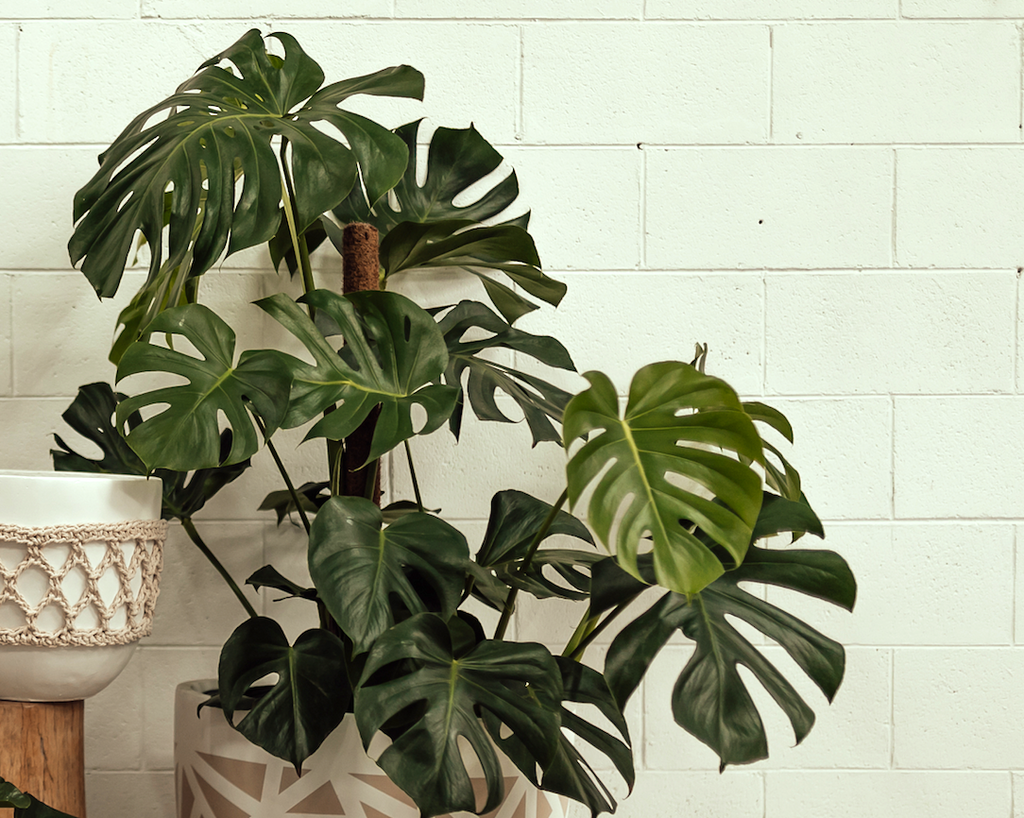
Yes, Monstera plants can be grown indoors. They are popular houseplants due to their unique, large leaves and easy care.
Monstera, also known as the Swiss Cheese Plant, is an attractive choice for many plant enthusiasts. Their dramatic leaves and ability to thrive in various indoor conditions make them a favorite. Originally from tropical forests, Monsteras adapt well to indoor environments, adding a touch of greenery to any space.
They do well in bright, indirect light and can tolerate lower light levels. With the right care, these plants can grow impressively large, making a striking statement in your home. Whether you are a seasoned plant owner or a beginner, Monstera plants can be a rewarding addition to your indoor garden.
Introduction To Monstera
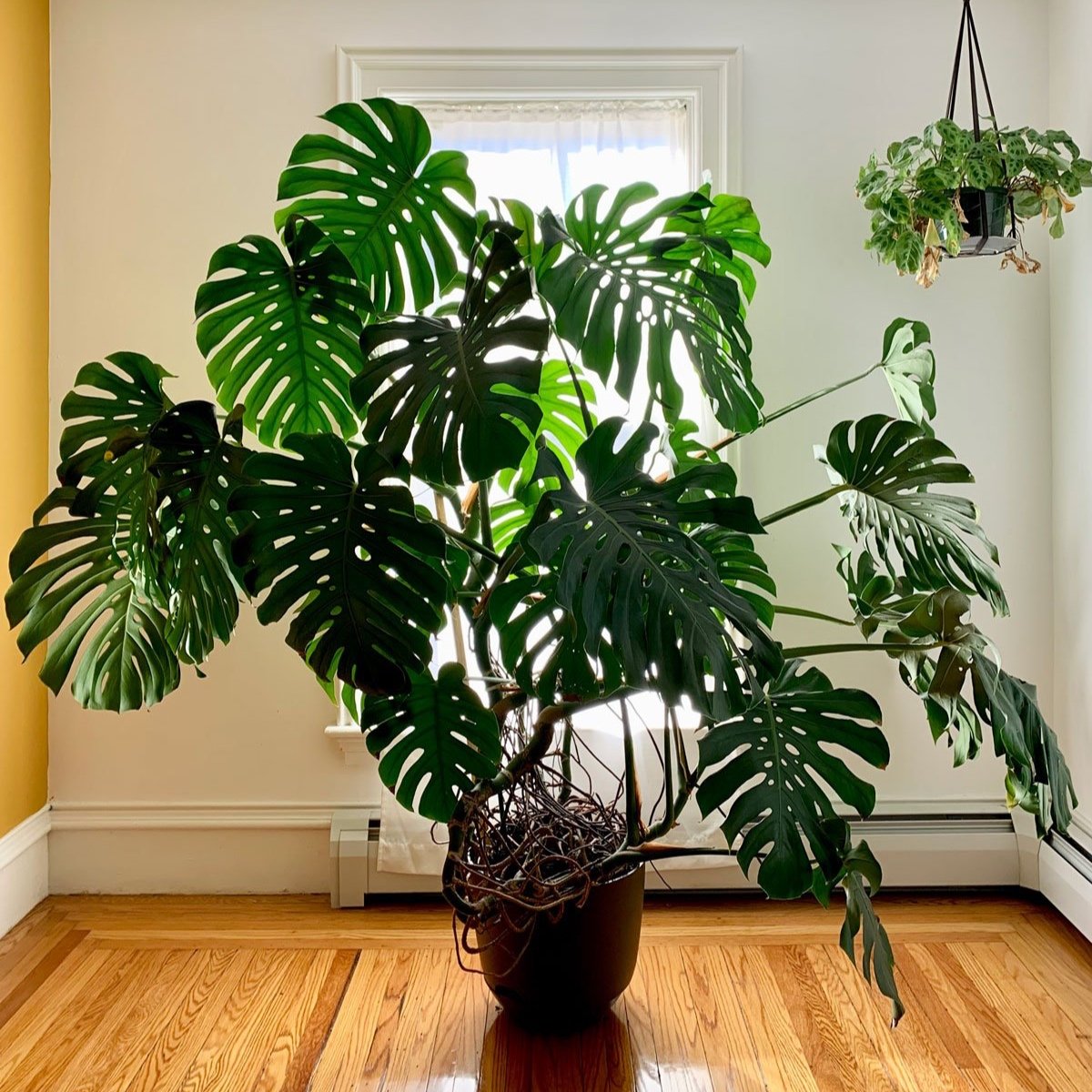
The Monstera is a favorite among houseplant enthusiasts. Known for its large, split leaves, this plant adds a tropical vibe to any room. Easy to care for, it thrives indoors and makes a stunning focal point.
Origin And History
Monstera originates from the tropical forests of Central America. There, it grows as a climbing vine. These plants have been cultivated for centuries, admired for their unique and striking appearance. The name “Monstera” comes from the Latin word for “monstrous” due to its unusual leaves.
Popular Varieties
Several Monstera varieties are popular among plant lovers:
- Monstera Deliciosa: The most common variety. Known for its large, perforated leaves.
- Monstera Adansonii: Smaller leaves with more holes. Often called “Swiss Cheese Plant.”
- Monstera Obliqua: Very rare. Noted for its delicate, lace-like leaves.
Each variety has unique characteristics. Choose one that fits your style and space.
Indoor Plant Benefits
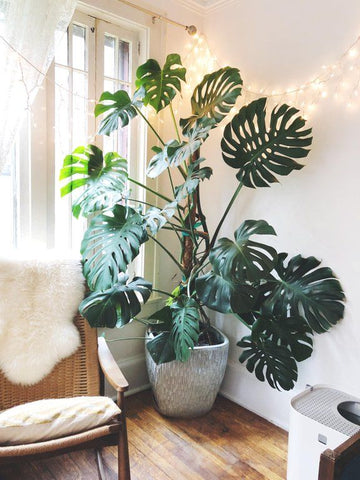
Indoor plants offer numerous advantages for your living space. They improve air quality, enhance visual appeal, and contribute to mental well-being. Among indoor plants, Monstera stands out for its beauty and benefits.
Air Purification
Monstera plants help clean indoor air. They absorb carbon dioxide and release oxygen. This creates a healthier environment. The plant also removes toxins from the air. You breathe easier and feel better.
Aesthetic Appeal
Monstera plants are visually striking. Their large, unique leaves add character to any room. They complement various decor styles. A Monstera plant can be a focal point in your home. Its presence brings a touch of nature indoors. This enhances the overall atmosphere.
Ideal Growing Conditions
Monstera deliciosa, also known as the Swiss Cheese Plant, is a popular indoor plant. It thrives indoors when provided with the right growing conditions. Ensuring your Monstera receives the ideal care will help it grow lush and healthy.
Light Requirements
Monstera plants prefer bright, indirect light. Direct sunlight can scorch the leaves. Place your Monstera near a window with filtered light. East or west-facing windows are ideal. If natural light is limited, consider using grow lights.
Temperature And Humidity
Monstera plants thrive in warm temperatures between 65°F to 85°F (18°C to 29°C). Avoid placing them near cold drafts or heating vents. Consistent temperatures will ensure optimal growth.
High humidity levels are essential for Monstera plants. Aim for humidity levels between 60% to 80%. Use a humidifier or place a tray of water near the plant. Misting the leaves occasionally can also help maintain humidity.
| Factor | Ideal Condition |
|---|---|
| Light | Bright, indirect light |
| Temperature | 65°F to 85°F (18°C to 29°C) |
| Humidity | 60% to 80% |
Watering Needs
Monstera plants are popular indoor plants. They are known for their large, unique leaves. Understanding their watering needs is vital for their growth. Let’s explore how to keep your Monstera healthy and thriving.
Frequency Of Watering
Monstera plants prefer moist soil but not soggy. Water them once a week. This ensures they get enough moisture. Adjust the frequency based on the season. During summer, they may need more water. In winter, reduce the watering schedule.
Always check the soil before watering. Insert your finger into the soil. If the top inch is dry, it’s time to water. Using this method helps prevent overwatering.
Signs Of Overwatering
Overwatering can harm your Monstera plant. Look for these signs:
- Yellowing leaves
- Mushy stems
- Moldy soil
- Root rot
If you notice any of these signs, reduce watering immediately. Ensure the pot has drainage holes. This helps excess water escape. Remove any standing water from the saucer.
| Sign | Action |
|---|---|
| Yellowing leaves | Check soil moisture; let it dry out |
| Mushy stems | Prune affected parts; reduce watering |
| Moldy soil | Allow soil to dry; improve air circulation |
| Root rot | Repot with fresh soil; ensure drainage |
By understanding and meeting the watering needs of your Monstera, you will ensure a healthy and vibrant plant.
Soil And Potting
Monstera plants thrive indoors with the right soil and potting. Ensuring these conditions helps your Monstera grow healthily. In this section, we’ll cover the best soil type and how to choose the right pot for your Monstera.
Best Soil Type
Monstera plants prefer well-draining soil. A mix of potting soil, peat moss, and perlite works best. This combination prevents waterlogging and allows roots to breathe. Avoid heavy soils as they retain too much moisture. Your Monstera needs soil that mimics its natural environment. Light and airy soil ensures proper growth and health.
Choosing The Right Pot
Selecting the right pot is crucial for your Monstera. Opt for a pot with drainage holes to prevent root rot. The pot should be slightly larger than the root ball. This gives roots space to grow without overcrowding. Material matters too. Terra cotta pots help with moisture regulation. Plastic pots are lighter and retain moisture longer. Choose a pot that suits your home decor and your plant’s needs.
Fertilization Tips
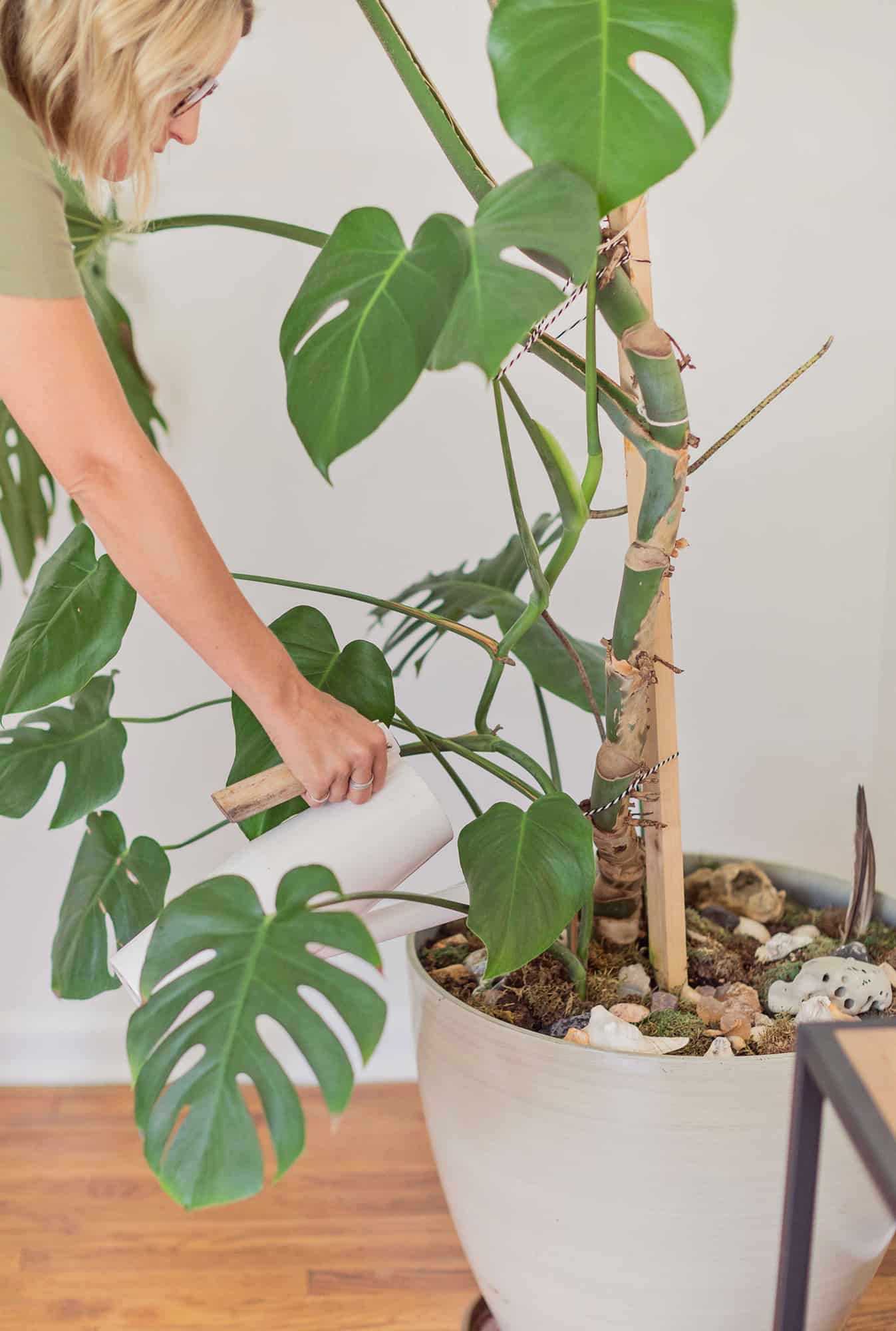
Monstera plants thrive indoors with the right care. Fertilization plays a crucial role in their growth. This section covers essential tips to keep your Monstera healthy and vibrant.
Types Of Fertilizers
Choosing the right fertilizer ensures your Monstera gets the nutrients it needs. Here are some common options:
- Liquid Fertilizers: Easy to apply and quickly absorbed.
- Slow-Release Granules: Provide nutrients over time.
- Organic Fertilizers: Eco-friendly and safe for the plant.
Each type has its own benefits. Liquid fertilizers are ideal for quick nutrient boosts. Slow-release granules are great for long-term feeding. Organic fertilizers improve soil health.
Application Schedule
Regular fertilization keeps your Monstera healthy. Follow this schedule for best results:
| Season | Frequency | Type of Fertilizer |
|---|---|---|
| Spring | Every 2-4 weeks | Liquid Fertilizer |
| Summer | Every 2-4 weeks | Liquid Fertilizer |
| Fall | Every 4-6 weeks | Slow-Release Granules |
| Winter | Every 6-8 weeks | Slow-Release Granules |
In spring and summer, use liquid fertilizers every 2-4 weeks. During fall and winter, switch to slow-release granules every 4-8 weeks.
Always follow the instructions on the fertilizer package. Over-fertilization can harm your Monstera.
Pruning And Maintenance
Monstera plants are popular indoor plants due to their unique leaves and easy care. To keep your Monstera looking its best, regular pruning and maintenance are essential. Proper care helps the plant stay healthy and encourages new growth.
Pruning Techniques
Pruning your Monstera plant involves cutting back any dead, damaged, or overgrown leaves. This keeps the plant tidy and promotes new growth.
- Use clean, sharp scissors or pruning shears.
- Cut close to the base of the stem.
- Remove any leaves that are yellowing or browning.
- Trim back any long stems to maintain the desired shape.
Regular pruning also helps to control the size of your Monstera. This is especially important for indoor plants.
Cleaning The Leaves
Dust can accumulate on the large leaves of a Monstera, blocking light and hindering photosynthesis. Cleaning the leaves regularly keeps them healthy and shiny.
- Gently wipe the leaves with a damp cloth.
- Use mild soapy water for stubborn dirt.
- Rinse the leaves with clean water to remove soap residue.
- Dry the leaves with a soft towel.
A clean plant is not only healthier but also looks more vibrant and attractive.
| Maintenance Task | Frequency |
|---|---|
| Pruning | Every 2-3 months |
| Cleaning Leaves | Monthly |
By following these simple pruning and maintenance tips, your Monstera plant will thrive and remain a beautiful addition to your indoor space.
Common Problems And Solutions
Monstera plants are popular indoor plants. They have large, beautiful leaves. But, they can face some common problems. Fortunately, these issues have solutions. This section will explore how to handle pests and yellow leaves.
Pest Control
Monstera plants can attract pests. Spider mites and scale insects are common. These pests can harm your plant. To control pests, regularly check your plant. Look for small webs or tiny insects. Use a damp cloth to wipe the leaves. This helps remove pests.
In severe cases, use insecticidal soap. Spray it on the plant. Follow the instructions on the label. It helps kill pests without harming your Monstera. Keep the plant clean and healthy. This reduces the risk of pests.
Addressing Yellow Leaves
Yellow leaves are a common problem. They can indicate several issues. Overwatering is a frequent cause. Monstera plants need well-drained soil. Check the soil before watering. If it’s damp, wait a few days. Water only when the top inch is dry.
Yellow leaves can also result from lack of nutrients. Use a balanced fertilizer monthly. It provides essential nutrients. Follow the label instructions for best results. Prune yellow leaves to encourage new growth. This helps the plant stay healthy.
Another cause is inadequate light. Monstera plants need bright, indirect light. Place them near a window with filtered sunlight. Avoid direct sunlight, as it can burn the leaves. Adjust the plant’s location if needed.
Propagation Methods
Monstera is a popular indoor plant known for its beautiful leaves. Propagating Monstera can help you grow more plants from a single one. There are different methods to propagate Monstera. We will discuss two main methods: Stem Cuttings and Air Layering.
Stem Cuttings
Propagating Monstera through stem cuttings is simple and effective. Follow these steps:
- Choose a healthy stem with at least one node.
- Use a clean knife or scissors to cut below the node.
- Remove any leaves near the cut end.
- Place the cutting in water or moist soil.
- Keep it in a warm, bright spot but away from direct sunlight.
- Wait for roots to develop, which can take a few weeks.
Once the roots are a few inches long, you can transplant the cutting into a pot with soil.
Air Layering
Air layering is another method to propagate Monstera. It takes more time but is also effective. Here’s how you can do it:
- Select a healthy stem with a node.
- Make a small cut on the stem near the node.
- Wrap moist sphagnum moss around the cut area.
- Cover the moss with plastic wrap to keep it moist.
- Secure the plastic wrap with ties or tape.
- Check the moss regularly to ensure it stays moist.
- Wait for roots to develop inside the moss. This can take several weeks.
- Once roots are visible, cut the stem below the moss.
- Plant the new cutting in a pot with soil.
Air layering allows the plant to grow roots while still attached to the parent plant. This method ensures a higher success rate.
Frequently Asked Questions
Is Monstera A Good Indoor Plant?
Yes, Monstera is an excellent indoor plant. It thrives in low to bright indirect light. Its large, unique leaves add a tropical touch to any home.
How Often Should I Water My Monstera?
Water your Monstera every 1-2 weeks. Allow the soil to dry out between waterings. Adjust frequency based on light and temperature.
Can Monstera Grow In Low Light Conditions?
Monstera can tolerate low light but prefers bright, indirect light. Low light may slow growth and reduce leaf size.
Do Monsteras Need A Lot Of Sunlight?
No, Monsteras do not need direct sunlight. They thrive in bright, indirect light. Direct sunlight can scorch their leaves.
Conclusion
Monstera plants thrive indoors with proper care. These plants add beauty and charm. They need indirect light and occasional watering. Perfect for homes and offices. Monstera brings a tropical feel inside. Easy to grow for beginners. Maintain humidity and avoid direct sunlight.
Your indoor space will flourish with a Monstera. Enjoy the lush, green leaves all year round.
Leave a Reply