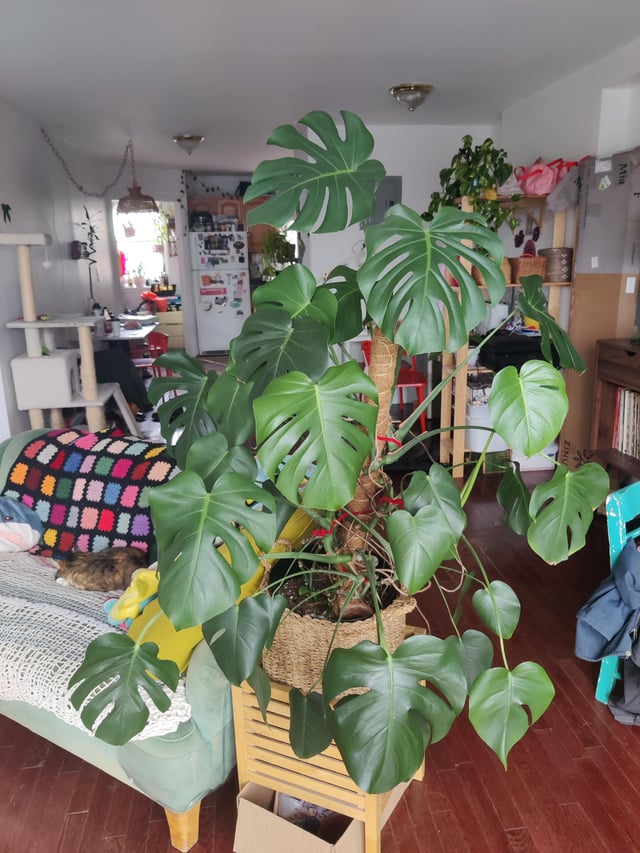
No, you should not let your Monstera plant dry out completely. These tropical plants thrive in consistently moist soil, but not waterlogged conditions.
Monstera plants, with their striking leaves and unique appearance, are a favorite among plant enthusiasts. These beauties hail from the rainforests, where they enjoy a humid environment and regular moisture. Understanding the right watering routine is essential to keep them healthy.
Allowing the soil to dry out too much can stress the plant, leading to yellowing leaves and stunted growth. On the other hand, overwatering can cause root rot. Finding the right balance is key. In this post, we will explore the ideal watering practices for your Monstera, ensuring it stays lush and vibrant.
Introduction To Monstera Care
Monstera plants, with their unique leaves, are a favorite among plant lovers. Understanding how to care for them is key to their growth. This section will guide you through the essentials of Monstera care.
Importance Of Proper Care
Proper care is vital for the health of your Monstera. Without it, the plant might not thrive.
- Watering: Monstera needs balanced watering. Too much or too little can harm it.
- Light: Bright, indirect light is best. Direct sunlight can scorch the leaves.
- Humidity: High humidity levels mimic their natural habitat.
Following these basic care guidelines will ensure your Monstera grows strong and healthy.
Common Monstera Varieties
There are several popular Monstera varieties you might consider:
| Variety | Description |
|---|---|
| Monstera Deliciosa | Also known as the Swiss Cheese Plant. It has large, split leaves. |
| Monstera Adansonii | Known as the Swiss Cheese Vine. It has smaller leaves with more holes. |
| Monstera Obliqua | Very rare. It has delicate leaves with larger holes. |
Choosing the right variety depends on your preference and space available.
Watering Needs Of Monstera
Monstera plants are loved for their unique leaves and easy care. But understanding their watering needs is vital for their health. They prefer moist soil but don’t like being soaked. It’s a balance that can make or break your plant’s vitality.
Signs Of Overwatering
Overwatering is a common issue for Monstera plants. Here are some signs:
- Yellowing leaves
- Root rot
- Mushy stems
- Soil that stays wet
Check the soil before watering. Stick your finger an inch into the soil. If it feels wet, wait before watering again. Too much water can suffocate the roots and cause rot.
Signs Of Underwatering
Underwatering can also harm your Monstera. Look out for these signs:
- Dry, crispy leaves
- Brown leaf edges
- Soil pulling away from the pot
- Drooping stems
If the soil feels dry more than an inch deep, it’s time to water. Underwatered plants may show stress and fail to thrive.
| Condition | Signs |
|---|---|
| Overwatering | Yellow leaves, root rot, mushy stems |
| Underwatering | Dry leaves, brown edges, drooping stems |
By understanding these signs, you can better care for your Monstera. Always monitor the soil moisture and adjust your watering habits accordingly.
Ideal Soil Conditions
The soil conditions for your Monstera plant play a crucial role in its health. Ensuring the right balance of moisture and drainage can help your Monstera thrive. Here’s how to achieve the ideal soil conditions for your Monstera plant.
Choosing The Right Soil
Selecting the right soil is vital for your Monstera. Use a potting mix that offers both moisture retention and drainage. A mix of peat moss, pine bark, and perlite works well. Peat moss helps retain moisture, while pine bark and perlite improve drainage.
Avoid heavy soils that hold too much water. These can lead to root rot. Check the soil packaging for its ingredients. Ensure it contains components that support good drainage.
Soil Drainage Tips
Proper drainage prevents water from sitting at the bottom of the pot. This is crucial for Monstera plants. Here are some tips:
- Use pots with drainage holes.
- Layer the bottom of the pot with pebbles.
- Water your Monstera until water drains out.
- Avoid overwatering to prevent soggy soil.
Check the soil moisture before watering. Insert your finger 2 inches into the soil. If it feels dry, it’s time to water. If it’s still moist, wait a few days.

Humidity And Temperature
Humidity and temperature play crucial roles in the health of your Monstera plant. Ensuring the right conditions can make a difference in its growth and appearance. Let’s explore the optimal humidity levels and temperature requirements for your Monstera.
Optimal Humidity Levels
Monsteras thrive in environments with high humidity. Aim for humidity levels between 60% and 70%. This mimics their natural tropical habitat. Low humidity can cause brown leaf edges. Use a humidifier if needed. Grouping plants together can also increase humidity. Another tip is to place a tray of water near the plant. The water will evaporate, adding moisture to the air.
Temperature Requirements
Monsteras prefer warm temperatures. Ideal ranges are between 65°F and 85°F. Avoid exposing your plant to temperatures below 55°F. Cold drafts can harm your Monstera. Keep the plant away from air conditioners and heaters. Consistent temperatures promote healthy growth. Sudden changes can stress the plant. Ensure your Monstera gets the warmth it needs.
Light Requirements
Understanding the light requirements for your Monstera is crucial for its health. Monstera plants need the right amount of light to thrive. Proper light helps them grow strong and produce those beautiful, large leaves.
Best Light Conditions
Monsteras prefer bright, indirect light. Place your plant near a window with filtered sunlight. Direct sunlight can scorch the leaves, causing brown spots. A north or east-facing window works best. If natural light is limited, you can use grow lights. Ensure the light is not too intense. Balance is key for healthy growth.
Signs Of Insufficient Light
If your Monstera isn’t getting enough light, it will show signs. Look for leggy growth or elongated stems. The plant will stretch towards the light source. Leaves may become smaller and lose their splits. Yellowing leaves are another indicator. If you notice these signs, move your plant to a brighter spot. Ensuring adequate light will help your Monstera flourish.
Pruning And Maintenance
Proper pruning and maintenance are crucial for a healthy Monstera. Regular care helps the plant grow well and look beautiful. Let’s dive into the details.
When To Prune
Prune your Monstera to remove dead or yellowing leaves. This helps the plant focus on new growth. The best time to prune is in spring or early summer. New growth starts during these seasons. Avoid pruning in winter. The plant is less active then.
Tools For Pruning
Use the right tools for effective pruning. Here is a list of essential tools:
- Sharp scissors or pruning shears: Clean cuts prevent damage.
- Gloves: Protect your hands from sap and sharp edges.
- Rubbing alcohol: Sterilize tools to prevent disease spread.
Always keep your tools clean and sharp. This ensures a healthy cut every time you prune.
Common Pests And Diseases
Monstera plants are beloved for their stunning leaves and easy care. Yet, they can fall prey to common pests and diseases. These issues can harm your plant if not managed quickly. Knowledge of these problems can save your Monstera.
Identifying Common Pests
Pests like spider mites, mealybugs, and scale insects often target Monsteras. These pests can cause yellowing leaves, stunted growth, or visible damage.
To spot these pests, check under leaves and on stems. Look for tiny, moving dots or clusters of white, cotton-like fluff.
Preventative Measures
There are several ways to prevent pest infestations. First, keep your Monstera clean. Dust and debris can attract pests. Wipe leaves with a damp cloth regularly.
Second, avoid over-watering. Wet soil can lead to root rot, which weakens the plant. This makes it more susceptible to pests.
Lastly, inspect new plants before bringing them inside. They might carry pests that can spread to your Monstera.
| Common Pests | Signs | Prevention |
|---|---|---|
| Spider Mites | Yellow spots, webbing | Regular leaf cleaning |
| Mealybugs | White, cottony clusters | Inspect new plants |
| Scale Insects | Brown or yellow bumps | Avoid over-watering |

Fertilizing Your Monstera
Fertilizing your Monstera can promote healthy growth and vibrant leaves. Knowing the right type of fertilizer and schedule is crucial. It helps your plant thrive.
Types Of Fertilizers
Choosing the right fertilizer is important. There are different types to consider:
- Liquid Fertilizers: Easy to apply and mix with water. They provide quick nutrients.
- Granular Fertilizers: Slow-release and long-lasting. They are mixed into the soil.
- Organic Fertilizers: Made from natural materials. They are eco-friendly and improve soil health.
Each type has its benefits. Liquid fertilizers offer instant results. Granular fertilizers give long-term support. Organic fertilizers boost soil quality.
Fertilizing Schedule
A regular fertilizing schedule is key for a healthy Monstera. Follow these steps:
- Spring and Summer: Fertilize every 4-6 weeks. This is the plant’s active growing season.
- Fall and Winter: Reduce to every 8-10 weeks. The plant’s growth slows down.
Stick to this schedule for the best results. Over-fertilizing can harm your Monstera. It can cause yellow leaves or root burn.
Always follow the instructions on the fertilizer package. Adjust based on your plant’s needs. Monitor its growth and health.
Repotting Tips
Repotting your Monstera is crucial for its health and growth. It ensures the plant has enough space and fresh soil to thrive. Below are detailed tips on when and how to repot your Monstera.
When To Repot
Knowing when to repot is essential. Look for these signs:
- Roots growing out of the drainage holes.
- Soil dries out quickly after watering.
- Stunted growth or yellowing leaves.
Repotting should be done every 1-2 years. Spring is the best time.
Steps For Repotting
Follow these simple steps to repot your Monstera:
- Prepare the new pot: Choose a pot 2 inches larger than the current one. Ensure it has drainage holes.
- Remove the plant: Gently take the plant out of its old pot. Loosen the root ball.
- Prune the roots: Trim any dead or rotted roots.
- Add fresh soil: Place a layer of fresh potting mix in the new pot.
- Place the plant: Position the Monstera in the center of the new pot. Fill the sides with soil.
- Water thoroughly: Water the plant well and let it drain.
Following these steps ensures a smooth transition for your Monstera. Happy repotting!
Frequently Asked Questions
How Often Should I Water My Monstera?
You should water your Monstera when the top inch of soil is dry. Overwatering can lead to root rot, while underwatering can cause the leaves to droop.
What Are Signs Of Overwatering In Monstera?
Signs of overwatering include yellowing leaves, mushy stems, and root rot. Ensure proper drainage and reduce watering frequency to avoid these issues.
Can Monstera Survive In Dry Conditions?
Monstera can tolerate short dry periods but prefers consistent moisture. Prolonged dryness can cause leaf edges to brown and stunt growth.
Should Monstera Soil Be Kept Moist?
Monstera soil should be kept slightly moist but not soggy. Allow the top inch to dry out between waterings for optimal health.
Conclusion
Allowing your Monstera to dry out can impact its health. Strive for a balance. Moist, but not soggy soil, promotes growth. Monitor the plant’s needs regularly. Adjust watering based on the environment. Happy plants mean a happy home. By following these tips, you ensure your Monstera thrives.
Remember, each plant is unique. Pay attention to its signals and adjust care accordingly. Healthy Monstera, beautiful home.
Leave a Reply