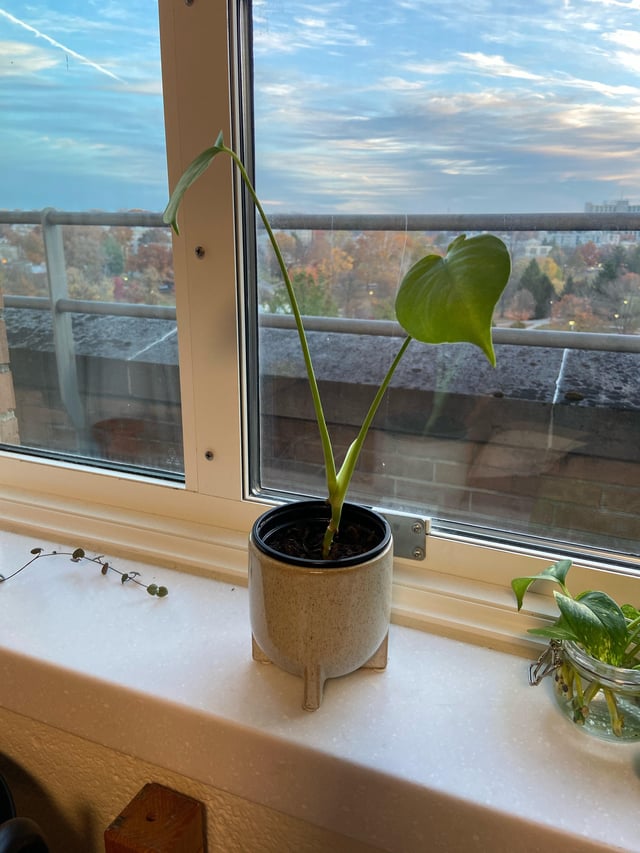
Monstera plants are known for their lush, green leaves and rapid growth. Sometimes, though, they stop growing, leaving you puzzled and worried.
Why did your Monstera stop growing? There could be several reasons. From light conditions to watering habits, many factors affect plant health. Understanding these factors can help you pinpoint the problem. This blog will guide you through common issues and solutions.
With a bit of care, you can get your Monstera back to thriving. Let’s explore the possible causes and how to address them to ensure your Monstera flourishes again.

Common Causes Of Growth Stagnation
Monstera plants are a popular choice for indoor greenery. Their large, unique leaves can brighten any space. But sometimes, these plants stop growing. Understanding the common causes of growth stagnation can help you get your Monstera back on track.
Insufficient Light
Light is crucial for plant growth. Monsteras need bright, indirect sunlight. If your plant is in a dark corner, it may struggle to grow. Consider moving it closer to a window. You can also use a grow light if natural light is limited.
Signs of insufficient light include:
- Pale or yellow leaves
- Slow or no new growth
- Leggy stems
Improper Watering
Watering issues are common with Monsteras. Both overwatering and underwatering can cause problems. The soil should be moist but not soggy. Check the top inch of soil before watering. If it’s dry, give your Monstera a drink. If it’s still wet, wait a few more days.
Signs of improper watering:
- Yellowing leaves (overwatering)
- Brown, crispy edges (underwatering)
- Root rot (overwatering)
By addressing these common causes of growth stagnation, you can help your Monstera thrive. Ensure it gets the right amount of light and water, and watch it grow again.
Assessing Light Conditions
When a Monstera stops growing, light conditions are often the culprit. This plant needs just the right amount of light to thrive. Knowing the ideal light levels and signs of light deficiency can help you diagnose and fix the problem.
Ideal Light Levels
Monsteras prefer bright, indirect light. Direct sunlight can scorch their leaves. Place your Monstera near a window with filtered light or in a room with plenty of natural light.
A north or east-facing window is often ideal. You can also use sheer curtains to diffuse the sunlight. Light levels can be measured with a light meter. Aim for 100-500 foot-candles for the best results.
| Light Source | Foot-candles |
|---|---|
| Direct Sunlight | 1000+ |
| Bright, Indirect Light | 100-500 |
| Low Light | Less than 100 |
Signs Of Light Deficiency
If your Monstera is not getting enough light, it will show signs. Yellowing leaves, leggy growth, and slow growth are common symptoms. The plant may also develop smaller leaves or lose its variegation.
Check if your Monstera is reaching towards the light source. This is a clear sign of light deficiency. You may also notice fewer and smaller fenestrations (the holes in the leaves).
To fix light deficiency, move your Monstera to a brighter spot. Consider using artificial grow lights if natural light is insufficient.
- Place near a bright window
- Use sheer curtains to diffuse light
- Consider artificial grow lights
Watering Best Practices
Proper watering practices are key to keeping your Monstera thriving. Overwatering or underwatering can lead to growth issues. Finding the right balance is essential for your plant’s health.
Watering Frequency
Watering frequency depends on several factors. Consider the size of the pot, the type of soil, and the climate. Generally, water your Monstera once a week. Check the soil before watering. If the top inch is dry, it’s time to water. Avoid letting the soil get too dry or too soggy.
Using The Right Water
Using the right water is crucial. Tap water often contains chemicals like chlorine and fluoride. These can harm your Monstera. Let tap water sit out for 24 hours before use. This allows chemicals to evaporate. Rainwater or distilled water are also good options. They are free from harmful additives.
Soil And Nutrient Requirements
Monstera plants need the right soil and nutrients to grow well. If your Monstera has stopped growing, the soil and nutrients might be the problem. Understanding the best soil and fertilization tips can help your plant thrive.
Choosing The Right Soil
The correct soil mix is crucial for your Monstera’s growth. Monstera plants need well-draining soil that retains some moisture. A mix of peat moss, pine bark, and perlite is ideal. This mix provides good drainage and retains enough moisture for the roots.
You can create your own mix or buy a commercial aroid mix. Ensure the soil is airy and light. Avoid heavy soils that retain too much water. They can cause root rot.
Fertilization Tips
Fertilizers provide essential nutrients for your Monstera. Use a balanced, water-soluble fertilizer every month during the growing season. A 20-20-20 NPK ratio is a good choice.
Over-fertilizing can harm your plant. Always follow the instructions on the fertilizer package. Reduce fertilization during the winter months. The plant’s growth slows down, and it needs fewer nutrients.
You can also use organic fertilizers like compost or worm castings. These provide a slow-release of nutrients and improve soil health. Mix them into the top layer of soil.
Managing Pests And Diseases
Monstera plants are popular for their unique leaves and easy care. Sometimes, they stop growing due to pests and diseases. Identifying and managing these issues can help your Monstera thrive.
Common Pests
Several pests can affect Monstera plants. The most common ones are spider mites, scale insects, and mealybugs. Spider mites are tiny and can cause yellow spots on leaves. Scale insects appear as small, brown bumps on stems and leaves. Mealybugs look like white, cottony masses on the plant.
To manage these pests, clean the leaves regularly. Use a damp cloth to remove dust and pests. In severe cases, use insecticidal soap or neem oil. Ensure the plant has good air circulation to prevent pest infestations.
Disease Prevention
Diseases can also stop your Monstera from growing. The most common diseases are root rot and leaf spot. Root rot occurs due to overwatering and poor drainage. Leaf spot appears as brown or black spots on the leaves.
Prevent diseases by watering your Monstera correctly. Allow the top inch of soil to dry before watering again. Ensure the pot has drainage holes to avoid waterlogged soil. Remove any affected leaves to prevent the spread of disease. Clean your tools before and after use to avoid contamination.
By managing pests and preventing diseases, you can help your Monstera grow healthily. Regular care and attention will keep your plant vibrant and thriving.

Repotting Your Monstera
Repotting your Monstera can help it grow strong and healthy. Sometimes, your plant needs a new pot to thrive. Repotting provides fresh soil and more space for roots.
When To Repot
Look for signs your Monstera needs repotting. Roots growing out of the pot is a clear sign. Slow growth also suggests it’s time. Yellow leaves may indicate root problems. Repotting every 1-2 years keeps your Monstera happy.
Steps For Repotting
First, choose a pot 2 inches larger than the current one. Ensure the pot has drainage holes. Fill the bottom with fresh soil. Carefully remove your Monstera from its pot. Shake off old soil gently.
Place the plant in the new pot. Add soil around the roots. Press gently to remove air pockets. Water the plant well. Place it in its usual spot. Watch for new growth in the coming weeks.
Pruning For Better Growth
Is your Monstera plant not growing as you hoped? Pruning can be the key to better growth. This simple process helps your plant stay healthy and vibrant. Let’s explore how pruning can boost your Monstera’s growth.
Pruning Techniques
Proper pruning techniques ensure the best results. Start by removing any dead or yellow leaves. This gives your Monstera more energy to grow. Next, cut back any long, leggy stems. This encourages the plant to grow fuller and bushier. Remember to make clean cuts just above a leaf node. This helps new growth to sprout.
Tools Needed
Using the right tools makes pruning easier. Here are some essential tools:
- Pruning Shears: Sharp and clean shears are a must for precise cuts.
- Disinfectant: Use alcohol or a disinfectant to clean your shears. This prevents disease spread.
- Gloves: Protect your hands from sap and potential irritants.
Having these tools ready will make the pruning process smooth and effective.
Maintaining Proper Humidity
Maintaining proper humidity is essential for the health and growth of your Monstera plant. Humidity plays a crucial role in the plant’s ability to absorb nutrients and water. Without adequate humidity, your Monstera may stop growing and show signs of stress. Let’s explore how to maintain optimal humidity levels for your Monstera and methods to boost humidity when needed.
Optimal Humidity Levels
Monsteras thrive in environments with humidity levels between 60% and 80%. These levels mimic their natural tropical habitat. Monitoring the humidity in your home can help you create the perfect environment for your plant.
Here is a simple table to guide you:
| Humidity Level | Monstera Health |
|---|---|
| Below 40% | Dry leaves, slow growth |
| 40%-60% | Moderate growth |
| 60%-80% | Optimal growth, healthy leaves |
| Above 80% | Risk of mold, overwatering issues |
Humidity Boosting Methods
If your home is too dry, there are several methods to boost the humidity for your Monstera:
- Use a Humidifier: A humidifier can add moisture to the air, creating a more suitable environment for your plant.
- Group Plants Together: Plants release moisture through their leaves. Grouping them can create a more humid microclimate.
- Place a Water Tray Nearby: Fill a tray with water and place it near your Monstera. As the water evaporates, it will increase the humidity around the plant.
- Mist the Leaves: Use a spray bottle to mist your Monstera’s leaves daily. This can help increase the local humidity.
Each of these methods can be used alone or together to ensure your Monstera gets the humidity it needs to thrive.
Frequently Asked Questions
Why Is My Monstera Not Growing?
Your Monstera may not be growing due to inadequate light, poor soil quality, or insufficient watering. Ensure it gets indirect sunlight and use well-draining soil.
How Often Should I Water My Monstera?
Water your Monstera when the top inch of soil feels dry. Overwatering can lead to root rot, stunting growth.
Does Monstera Need Direct Sunlight?
Monstera prefers bright, indirect sunlight. Direct sunlight can scorch its leaves, affecting its growth. Place it near an east-facing window.
Can Low Humidity Affect Monstera Growth?
Yes, low humidity can hinder Monstera growth. Maintain humidity levels between 40-60% for optimal growth.
Conclusion
Proper care ensures your Monstera grows healthy. Check light, water, and soil conditions. Adjust as needed. Regularly inspect for pests or diseases. A thriving Monstera brings beauty to your space. Happy growing!
Leave a Reply