Monstera plants are popular for their unique leaves. They are also easy to care for.
If you love houseplants, Monstera might be your next favorite. Known for their large, split leaves, these tropical plants add a touch of the exotic to any space. Growing a Monstera can be fun and rewarding. But, like all plants, they need the right care to thrive.
This blog will share some easy tips to help your Monstera grow healthy and strong. Whether you’re a plant newbie or an experienced gardener, these tips will guide you in making your Monstera the centerpiece of your home. Let’s dive into the basics and make your Monstera flourish!
Choosing The Right Monstera
Choosing the right Monstera is important for a thriving plant. There are many varieties with different care needs. Knowing how to select a healthy plant ensures success. Read on for tips to choose the perfect Monstera for your home.
Popular Varieties
Monstera plants come in several popular varieties. Each offers unique beauty. Here are some common types:
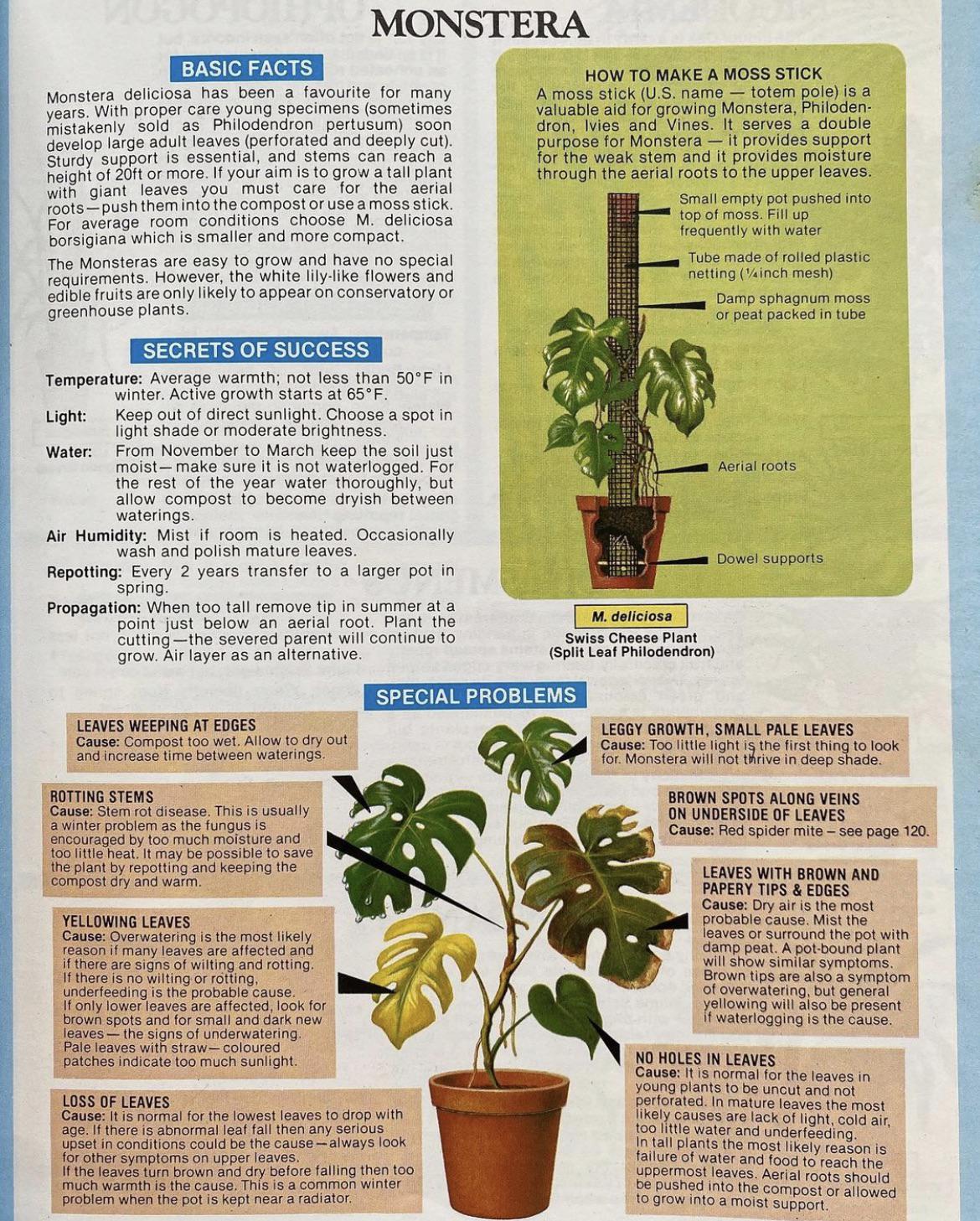
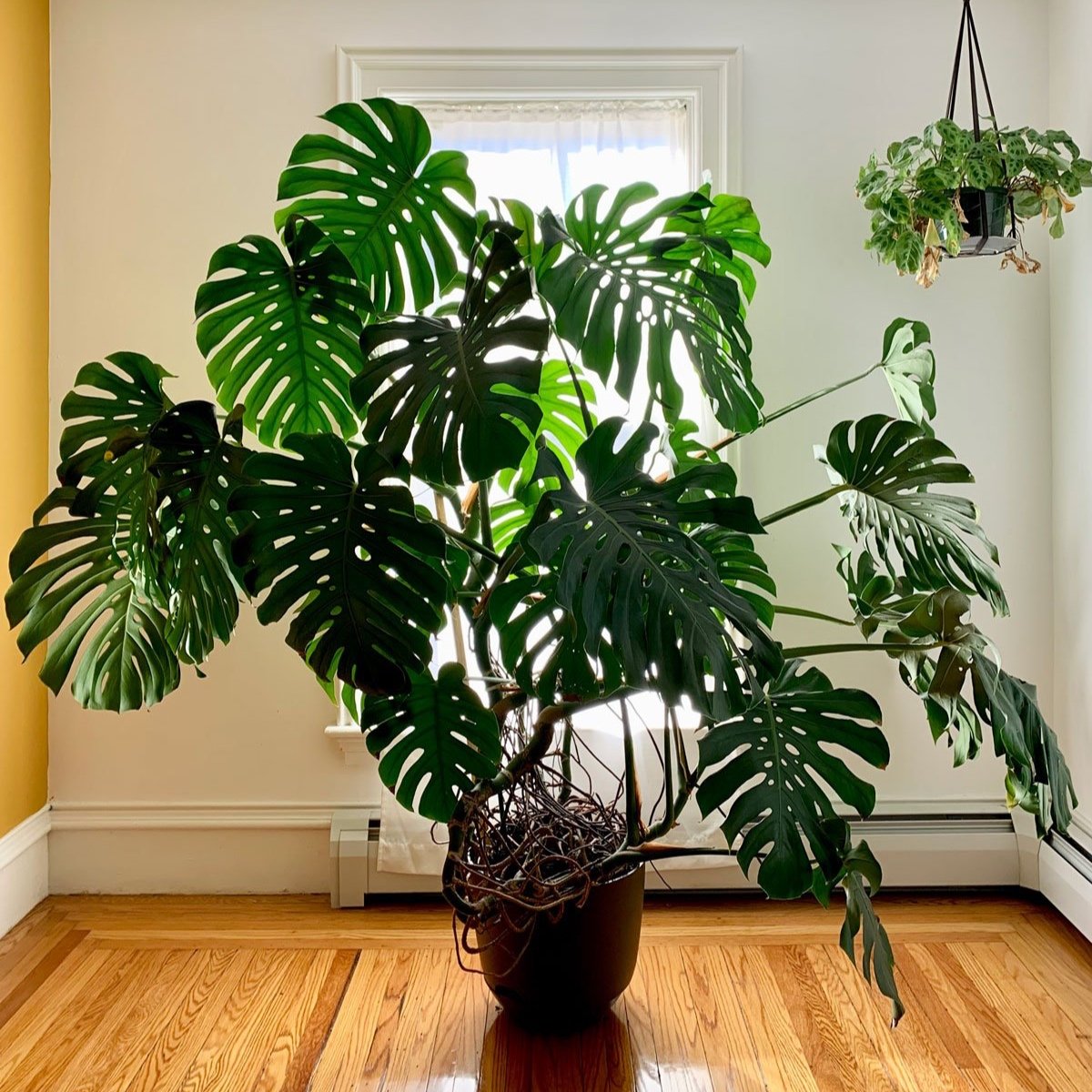
- Monstera Deliciosa: Known for its large, split leaves.
- Monstera Adansonii: Smaller leaves with many holes.
- Monstera Borsigiana: Similar to Deliciosa but smaller in size.
Each type has its charm. Choose based on your space and light conditions.
Selecting Healthy Plants
Selecting a healthy Monstera is crucial. Look for these signs:
- Green Leaves: Ensure leaves are vibrant and free from spots.
- Firm Stems: Stems should be strong, not mushy.
- Healthy Roots: Roots should be white and firm.
Avoid plants with yellowing leaves. Check for pests under the leaves.
By following these tips, you can enjoy a healthy Monstera in your home.

Ideal Growing Conditions
Growing a healthy Monstera requires understanding its ideal growing conditions. These tropical plants thrive in specific environments. Let’s explore the key factors for their optimal growth.
Light Requirements
Monstera plants prefer bright, indirect light. Direct sunlight can scorch their leaves. Place them near a window with filtered light. If indoors, a north or east-facing window is ideal. Use sheer curtains to diffuse harsh sunlight. In low light, growth slows down.
Temperature And Humidity
Monsteras thrive in warm, humid conditions. They prefer temperatures between 65°F and 85°F. Avoid placing them near drafts or heaters. Consistent temperature is key for healthy growth.
High humidity levels are also important. Aim for 60% humidity or higher. Use a humidifier or mist the leaves regularly. Grouping plants together can increase humidity. Avoid dry air from air conditioners or heaters.
| Condition | Ideal Range |
|---|---|
| Temperature | 65°F – 85°F |
| Humidity | 60% or higher |
Maintaining these growing conditions ensures your Monstera stays healthy and vibrant. With the right light, temperature, and humidity, your plant will thrive.
Soil And Potting Tips
Monstera plants, known for their lush and unique leaves, need the right soil and pot for healthy growth. Proper soil and potting ensure your Monstera gets the nutrients and space it needs. Let’s dive into the best practices for soil and pot selection to help your Monstera thrive.
Best Soil Mix
Monstera plants prefer well-draining soil. A mix of peat moss, perlite, and pine bark works well. This combination retains moisture without becoming soggy. Ensure the soil mix is light and airy. Avoid heavy, clay-based soils. These can retain too much water and cause root rot. Adding a bit of charcoal can help with drainage and reduce odors.
Proper Pot Selection
Choose a pot with drainage holes. This prevents water from accumulating at the bottom. A plastic or terracotta pot works well. Ensure the pot size matches your plant’s root ball. A pot too large can cause overwatering issues. Repotting every 1-2 years is advisable. This gives your Monstera enough room to grow. Use fresh soil during repotting to replenish nutrients.
Watering Techniques
Watering your Monstera correctly is crucial for its health and growth. These tropical plants need balanced care to thrive. Understanding the right watering techniques can make a big difference.
How Often To Water
Water your Monstera once every 1-2 weeks. Check the soil first. It should be dry about 1-2 inches down before you water again. This ensures the roots don’t stay too wet.
Adjust the frequency based on the season. In winter, you may need to water less often. In summer, the plant may need more frequent watering.
Signs Of Overwatering
Overwatering can harm your Monstera. Watch for yellowing leaves. This is a common sign of too much water. Mushy stems or soil that stays wet for days are also red flags.
If you notice these signs, reduce your watering frequency. Ensure your plant pot has good drainage. This helps prevent water from pooling at the bottom.
Fertilizing Your Monstera
Fertilizing your Monstera can help it grow lush and healthy. Knowing the right fertilizers and schedule can make a big difference. Let’s explore some tips to ensure your Monstera thrives.
Best Fertilizers
Choosing the right fertilizer is crucial. Here are some options that work well:
- Balanced liquid fertilizers (20-20-20): Provide equal amounts of nitrogen, phosphorus, and potassium.
- Organic fertilizers: Fish emulsion or worm castings offer natural nutrients.
- Slow-release fertilizers: Granules that release nutrients over time, reducing the need for frequent application.
Ensure the fertilizer is diluted to half strength to avoid burning the roots.
Fertilizing Schedule
Sticking to a schedule helps maintain consistent growth. Here’s a simple plan:
| Season | Frequency |
|---|---|
| Spring | Every 2 weeks |
| Summer | Every 2 weeks |
| Fall | Once a month |
| Winter | Once every 6-8 weeks |
In winter, Monsteras grow slower. Reduce feeding to avoid over-fertilizing.
Always water the plant before fertilizing. This helps to prevent root burn.
By following these tips, your Monstera will stay healthy and vibrant.
Pruning And Training
Monstera plants, with their large leaves and unique holes, need proper care to thrive. Pruning and training are essential techniques to keep them healthy and beautiful. This section will guide you through effective pruning methods and how to support growth for your Monstera.
Pruning Techniques
Pruning helps Monstera stay healthy and grow strong. Regular pruning removes dead or yellow leaves. It also shapes the plant and controls its size. Use clean, sharp scissors or shears for the best results.
- Identify damaged or dead leaves: Look for yellow or brown leaves.
- Cut close to the stem: Snip the leaf stem near the main stem.
- Remove old growth: Trim older leaves to make way for new ones.
- Shape the plant: Prune to maintain the desired shape and size.
Remember, avoid cutting more than 25% of the plant at one time. This helps the Monstera recover and stay healthy.
Supporting Growth
Training your Monstera encourages healthy growth and prevents it from becoming too unruly. Use supports like stakes or trellises to guide the plant. This mimics its natural climbing habit.
- Choose a support: Select a sturdy stake or trellis.
- Place the support: Insert it gently into the soil near the stem.
- Tie the plant: Use soft ties to attach the stem to the support.
- Adjust regularly: Check and adjust ties as the plant grows.
This method encourages vertical growth and keeps the plant stable. It also allows better air circulation, reducing the risk of pests and diseases.
Common Pests And Diseases
Monstera plants can face various pests and diseases. These problems can affect their growth and health. Understanding how to identify and treat these issues is essential for a thriving plant.
Identifying Pests
Monstera plants are prone to several pests. Common pests include spider mites, mealybugs, and scale insects. These pests can be identified by their distinct features and the damage they cause.
| Pest | Identification |
|---|---|
| Spider Mites | Small, red or black dots. They create tiny webs on leaves. |
| Mealybugs | White, cotton-like masses on leaves and stems. |
| Scale Insects | Brown or black bumps on stems and leaves. |
Treatment Options
There are various methods to treat pests on Monstera plants. Natural treatments and chemical treatments are both effective.
- Natural Treatments:
- Wipe leaves with a damp cloth.
- Spray with a mixture of water and mild soap.
- Introduce beneficial insects like ladybugs.
- Chemical Treatments:
- Use insecticidal soap or neem oil.
- Apply systemic pesticides for severe infestations.
Early detection and treatment are crucial. Regularly inspect your Monstera for pests and take action promptly.
Propagation Methods
Propagation methods for Monstera plants can be fascinating and rewarding. These methods allow you to grow new plants from an existing one. Let’s explore two popular propagation methods: stem cuttings and air layering.
Stem Cuttings
Stem cuttings are a simple way to propagate Monstera plants. To start, you need a clean, sharp knife or scissors. Cut a stem that has at least one node and a leaf. Nodes are the small bumps where leaves and roots grow.
Place the cutting in water or soil. If using water, ensure the node is submerged. Change the water every few days to keep it fresh. Roots will start to form in a few weeks. Once the roots are a few inches long, you can plant the cutting in soil.
Air Layering
Air layering is another effective method for propagating Monstera plants. This method is ideal for larger plants. First, choose a healthy stem that is at least a year old. Make a small cut about one-third through the stem, just below a node.
Wrap the cut area with moist sphagnum moss. Cover the moss with plastic wrap and secure it with string or tape. Check the moss regularly to ensure it stays moist. Roots will start to grow from the cut area. Once the roots are visible, cut below the new roots and plant the new growth in soil.

Frequently Asked Questions
How Often Should I Water My Monstera?
Water your Monstera when the top inch of soil feels dry. Overwatering can lead to root rot. Ensure the pot has proper drainage.
Can Monstera Grow In Low Light Conditions?
Monstera can tolerate low light but thrives in bright, indirect light. Insufficient light may slow growth and reduce leaf fenestration.
What Type Of Soil Is Best For Monstera?
Use well-draining, peat-based soil for Monstera. A mix of peat moss, perlite, and potting soil works well. Avoid heavy, water-retentive soils.
How Can I Support My Monstera’s Growth?
Use a moss pole or trellis to support Monstera’s growth. This mimics their natural climbing habit. Secure stems gently with plant ties.
Conclusion
Caring for Monstera plants can be simple and rewarding. They need bright, indirect light and regular watering. Make sure the soil drains well. Clean the leaves to help them breathe. Pruning keeps them healthy and beautiful. With these tips, your Monstera will thrive.
Enjoy watching your plant grow and flourish. Happy gardening!
Leave a Reply