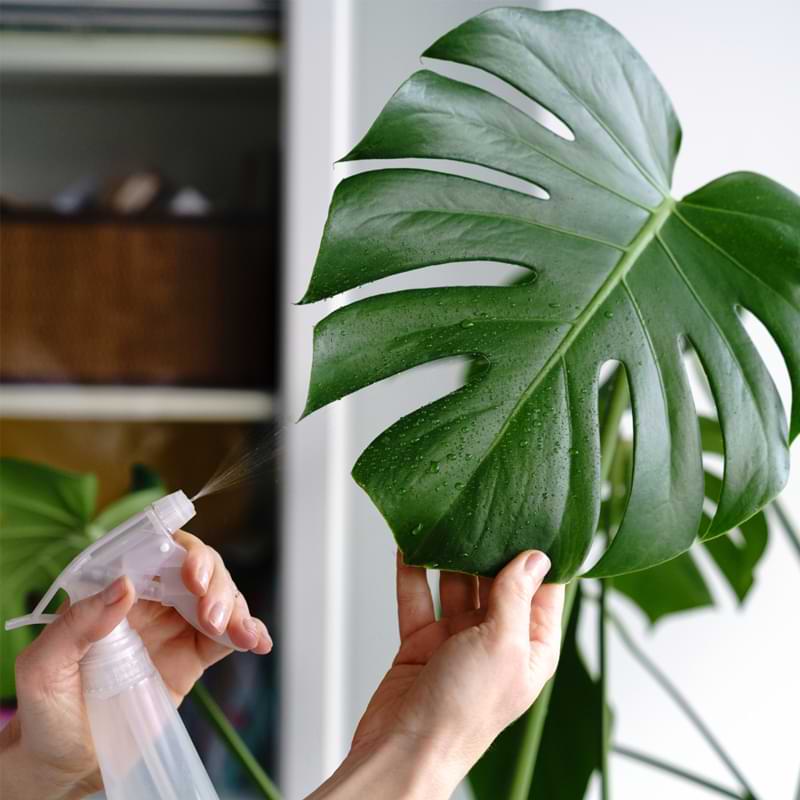
Yes, you should mist your Monstera. Misting helps keep the plant healthy by increasing humidity.
But, it’s not always necessary. Monstera plants thrive in humid environments. While misting can boost humidity, there are other ways to achieve this. Understanding your Monstera’s needs can be tricky. Misting seems easy, but it’s not the only solution. Why is misting good for Monstera?
How often should you do it? This blog will answer these questions. It will help you decide if misting is right for your Monstera. Keep reading to learn more about caring for your Monstera. Your plant will thank you!
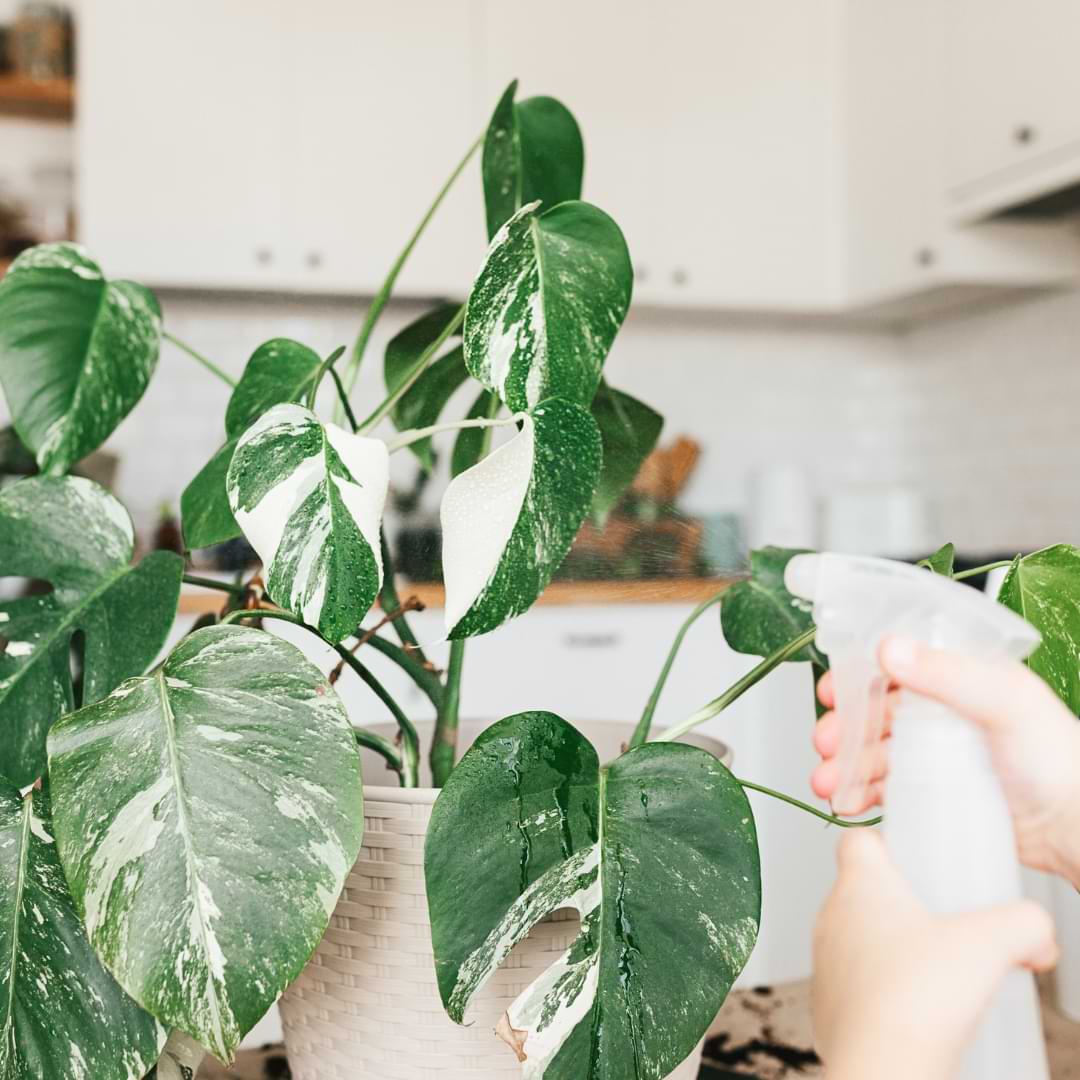
Introduction To Monstera Care
Monstera plants, known for their unique leaves, are popular houseplants. They add a tropical vibe to any space. Proper care helps them thrive and stay healthy.
Plant Overview
Monstera plants, also called Swiss Cheese Plants, are native to tropical forests. Their large, glossy leaves have natural splits and holes. This feature makes them stand out. Monsteras can grow quite large, even indoors.
Here is a quick overview:
| Characteristic | Details |
|---|---|
| Scientific Name | Monstera deliciosa |
| Common Names | Swiss Cheese Plant, Split-leaf Philodendron |
| Native Region | Tropical Americas |
| Light | Bright, indirect light |
| Water | Moderate, allow soil to dry between watering |
Common Care Requirements
Monstera plants are low-maintenance but need some specific care:
- Light: They prefer bright, indirect light. Direct sunlight can burn the leaves.
- Water: Water when the top inch of soil is dry. Overwatering can cause root rot.
- Humidity: Monsteras enjoy high humidity. Consider misting the plant or using a humidifier.
- Temperature: They thrive in temperatures between 65-85°F (18-29°C).
- Soil: Use well-draining potting soil. A mix for tropical plants works well.
- Fertilizer: Feed monthly during the growing season. Use a balanced, liquid fertilizer.
Meeting these requirements will help your Monstera grow healthy and strong. Regular care ensures lush, vibrant leaves.

Benefits Of Misting Monstera
Misting your Monstera can offer several advantages that contribute to its overall health and appearance. Let’s explore the benefits of misting Monstera and how it can improve your plant care routine.
Enhanced Humidity
Monstera plants thrive in humid environments. Misting helps to increase humidity around the plant. This is especially important during dry seasons or in homes with central heating. Higher humidity levels can prevent the leaves from drying out and curling. Misting can mimic the natural tropical conditions that Monstera plants love.
Consider using a humidity tray or a humidifier in conjunction with misting. This can provide a consistent humidity level. Here is a simple table to show the difference in humidity levels:
| Method | Average Humidity Increase |
|---|---|
| Misting | 5-10% |
| Humidity Tray | 10-15% |
| Humidifier | 20-30% |
Dust Removal
Dust can accumulate on Monstera leaves, blocking sunlight and reducing photosynthesis. Misting helps to remove dust from the leaves, allowing them to breathe better. Clean leaves also look more vibrant and healthy.
For effective dust removal, follow these steps:
- Mist the leaves lightly.
- Wipe with a soft, damp cloth.
- Repeat as needed to keep the leaves clean.
Regular misting can ensure your Monstera remains dust-free and thriving.
Potential Downsides Of Misting
Misting your Monstera can create a more humid environment for the plant. But, it can also lead to potential downsides. Understanding these risks can help you make a better decision.
Risk Of Overwatering
Misting often can lead to overwatering. This happens when the water droplets accumulate in the soil. Overwatering can cause the roots to become waterlogged. Waterlogged roots cannot breathe and may begin to rot. Root rot is a serious issue and can kill your Monstera.
Overwatering symptoms include yellow leaves, mushy stems, and a foul smell from the soil. Always check the soil moisture before misting. If the soil is already wet, skip misting that day.
Fungal Issues
Excessive misting can create a damp environment. This can promote the growth of fungi. Fungal issues are common in plants with too much moisture. You may notice white powdery mildew on the leaves or black spots.
To avoid fungal problems, ensure good air circulation around your plant. Do not mist at night, as the water will not evaporate quickly. Instead, mist in the morning so the plant has time to dry.
Here is a quick checklist to prevent fungal issues:
- Mist in the morning
- Ensure good air flow
- Check for signs of mildew or black spots
By understanding these potential downsides, you can keep your Monstera healthy and thriving.
Alternatives To Misting
While misting can provide temporary humidity for your Monstera, there are more effective alternatives that can ensure your plant thrives. Below are two excellent options to consider for maintaining the right humidity levels for your Monstera.
Humidifiers
Humidifiers are a great way to maintain consistent humidity levels in your home. This is especially useful during winter months when indoor air tends to be dry. Here are some benefits of using a humidifier for your Monstera:
- Consistent humidity: Provides a steady level of moisture.
- Easy to use: Simply fill with water and set to the desired level.
- Health benefits: Also helps to keep your skin and respiratory system hydrated.
When choosing a humidifier, consider the size of your room. For smaller spaces, a compact humidifier will suffice. Larger rooms may require a more powerful unit.
Pebble Trays
Pebble trays offer a simple and cost-effective way to increase humidity around your Monstera. Here’s how you can set one up:
- Find a shallow tray that fits under your plant pot.
- Fill the tray with small pebbles.
- Add water to the tray, just below the top of the pebbles.
- Place your plant pot on top of the pebbles.
The water in the tray will evaporate, creating a humid micro-environment around your plant. This method is particularly useful for those with multiple plants, as you can create a humid zone in one area of your home.
Here’s a quick comparison of the two methods:
| Method | Pros | Cons |
|---|---|---|
| Humidifiers |
|
|
| Pebble Trays |
|
|
Both options can help your Monstera thrive. Choose the one that best fits your lifestyle and home environment.
Best Practices For Misting
Monstera plants love humidity. Misting helps to mimic their natural environment. But misting must be done right to benefit your plant. Here, we explore the best practices.
Frequency
Mist your Monstera once or twice a week. Too much misting can cause overwatering. This leads to root rot. If your home is dry, mist more often. Increase the frequency to three times a week.
Optimal Timing
The best time to mist is in the morning. This allows the water to evaporate. Your plant will absorb moisture during the day. Avoid misting at night. This can create a damp environment, leading to mold.
| Factor | Best Practice |
|---|---|
| Frequency | 1-2 times a week, increase in dry conditions |
| Optimal Timing | Morning |
Signs Your Monstera Needs More Humidity
Monstera plants thrive in environments with higher humidity levels. If your Monstera isn’t getting enough moisture in the air, it will show signs that it needs more humidity. These signs can help you determine if misting your Monstera is necessary. Observing these signs early can prevent your plant from getting stressed.
Leaf Curling
Leaves curling inward is a common sign of low humidity. The plant does this to reduce surface area and conserve moisture. If you notice your Monstera’s leaves curling, consider increasing humidity around the plant.
Brown Edges
Brown edges on the leaves indicate that your Monstera is not getting enough moisture. This happens because the dry air causes the leaf edges to dry out and turn brown. To prevent this, you can mist your Monstera regularly or use a humidifier.
Expert Tips For Healthy Monstera
Monstera plants, known for their unique leaves, are a favorite for many plant lovers. They can thrive indoors with the right care. Here are some expert tips to keep your Monstera healthy and vibrant.
Proper Lighting
Monstera plants love bright, indirect light. Place your plant near a window where it can get plenty of light without direct sun. Direct sunlight can scorch the leaves. If your Monstera is not getting enough light, its growth may slow down. You might notice smaller leaves or fewer splits in the leaves.
Avoid placing your Monstera in low-light areas. Use a grow light if your home does not have enough natural light. Grow lights can help provide the necessary light for your plant to thrive.
Soil And Fertilization
Using the right soil is crucial for a healthy Monstera. Choose a well-draining soil mix. A mix that includes peat moss, perlite, and pine bark works well. This type of soil helps prevent root rot, which can harm your plant.
Fertilizing your Monstera is also important. Use a balanced, water-soluble fertilizer. Apply the fertilizer every four to six weeks during the growing season. This helps provide the nutrients your plant needs to grow strong and healthy.
| Care Aspect | Recommendation |
|---|---|
| Lighting | Bright, indirect light |
| Soil | Well-draining mix |
| Fertilization | Balanced, every 4-6 weeks |
Remember to check the soil moisture before watering. Overwatering can lead to root rot. Let the top inch of soil dry out before watering again. By following these tips, your Monstera will thrive and become a stunning addition to your home.
Common Mistakes To Avoid
When caring for your Monstera, it’s easy to make mistakes. Some common errors can hinder your plant’s health. Avoid these to ensure your Monstera thrives.
Over-misting
Many plant owners think misting constantly is good. But over-misting can harm your Monstera. Too much moisture leads to mold and mildew. These fungi can damage the leaves. Wet leaves stay damp, which is not ideal. Aim for a balance. Mist once or twice a week. Let the leaves dry before misting again.
Using Hard Water
Another mistake is using hard water. Hard water contains minerals that can harm your plant. These minerals build up on the leaves. This buildup blocks the pores, making it hard for the plant to breathe. Always use distilled or filtered water. This ensures your Monstera stays healthy. Clean leaves help the plant absorb more nutrients.
Frequently Asked Questions
Should I Mist My Monstera Daily?
Misting your Monstera daily is not necessary. Monstera plants prefer a stable humidity level. Instead, aim to mist 2-3 times a week.
Does Misting Help Monstera Grow?
Misting can help maintain humidity, which Monstera plants love. It can aid in growth by providing a more humid environment.
Can Misting Harm My Monstera?
Over-misting can cause mold or fungal issues. Ensure good air circulation and avoid misting excessively to prevent problems.
What’s The Best Way To Mist Monstera?
Use a fine mist spray bottle. Mist the leaves lightly, ensuring they are not drenched. Focus on the underside of the leaves.
Conclusion
Mist your Monstera sparingly. Over-misting can lead to mold and root rot. Ensure good air circulation. Use a humidifier if the air is dry. Regularly check the plant’s leaves for signs of distress. Healthy Monstera leaves will appear green and vibrant.
Adjust misting based on your plant’s needs. Remember, balance is key. A little care goes a long way in keeping your Monstera thriving. Happy gardening!
Leave a Reply