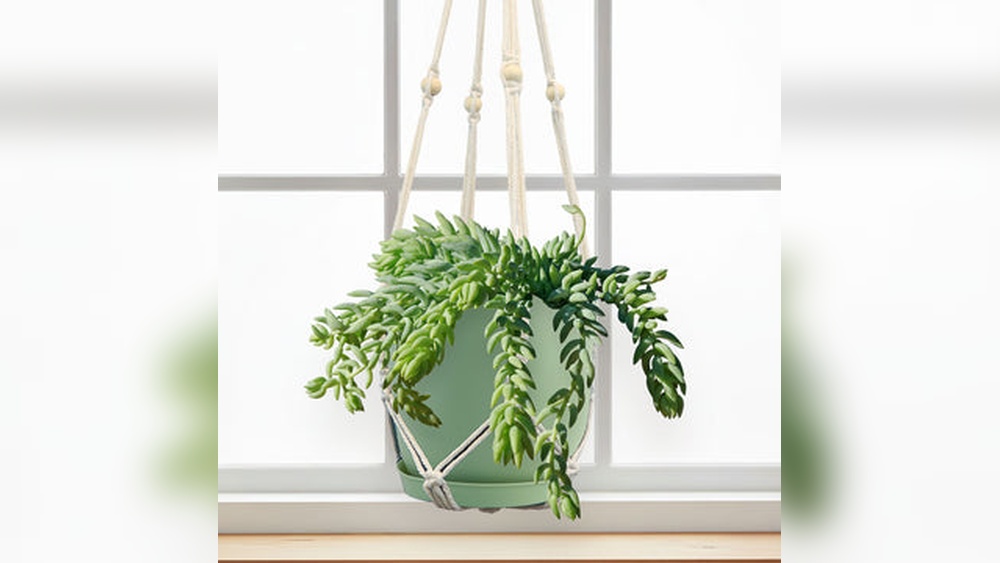
If you’re a plant lover who craves something truly unique, these 6 ultra-rare succulents will blow your mind. Imagine having plants that not only survive but thrive with shapes and colors you’ve never seen before.
These beauties aren’t just ordinary greenery—they’re living works of art that will set your collection apart. Ready to discover the rare gems every serious collector dreams about? Keep reading, because your next obsession is just a few lines away.

The Crested Myrtillocactus Geometrizans
The Crested Myrtillocactus Geometrizans stands out as an exceptional specimen in the world of rare succulents, captivating collectors with its unusual growth patterns and striking appearance. This fascinating cactus showcases a unique mutation that transforms its typical form into an extraordinary living sculpture.
Originating from Mexico, this succulent is often called the “Blue Candle” or “Blue Myrtle” due to its distinctive bluish-gray hue. The crested variation features a fascinating genetic anomaly where the growing tip expands laterally instead of remaining a single point. This results in captivating fan-shaped or brain-like formations that can grow impressively tall, sometimes reaching up to six feet under the right care. The intricate, geometric ridges add to its visual appeal, making it a prized find among succulent enthusiasts. While the standard Myrtillocactus Geometrizans is fairly accessible, encountering the crested form is truly rare and special. To thrive, it prefers soil that drains well, exposure to bright but indirect sunlight, and watering sparingly to avoid root rot.
Variegated Whale Fin Sansevieria
The Variegated Whale Fin Sansevieria captivates collectors with its strikingly rare appearance and unique foliage. Known for its broad, paddle-like leaves adorned with eye-catching white variegation, this succulent makes a bold and elegant addition to any plant enthusiast’s assortment.
This particular Sansevieria thrives under care similar to other snake plants, favoring soil that drains efficiently, exposure to bright but filtered light, and infrequent watering to prevent root rot. The variegated sections contain less chlorophyll, resulting in slower growth compared to the solid green varieties. Due to its rarity and impressive size—leaves can reach heights of up to four feet—it often commands a high price, ranging anywhere from $200 to $1,000 depending on the size and variegation detail. Protect this gem from intense direct sunlight to avoid leaf scorch and preserve its vibrant patterns.
Blue Diamond Echeveria
The Blue Diamond Echeveria captivates succulent enthusiasts with its unique color palette and elegant form. This rare succulent stands out due to its distinctive powdery blue-gray foliage, creating a cool, calming presence in any plant collection.
Its leaves form tight rosettes that are dusted with a fine, silvery layer known as farina, imparting a frosted look that adds to its charm. During the spring season, this succulent often produces slender stalks adorned with delicate blooms in shades of soft pink and warm orange, enhancing its visual appeal.
Thriving best in bright, filtered light, the Blue Diamond Echeveria demands soil that drains exceptionally well to prevent root rot. Patience is key when watering; allowing the soil to dry out completely before the next watering helps maintain its health. Though it can endure brief spells of mild frost, protecting it indoors during temperatures below 20°F (-6°C) ensures longevity. Its compact size and striking coloration make it an exceptional highlight in any succulent collection focused on rare and beautiful specimens.
Black Pagoda Lipstick Plant
The Black Pagoda Lipstick Plant captivates succulent enthusiasts with its unique silhouette and vibrant floral display. This plant’s tiered leaf arrangement and bold blossoms make it a standout addition to any collection.
Known scientifically as Aeschynanthus longicaulis, this epiphytic marvel features dark, stacked foliage that mimics the layered design of a traditional pagoda. Its trailing vines can grow up to three feet, making it perfect for hanging containers or mounted settings where its dramatic form can fully unfold.
While not a true succulent, it shares succulent-like qualities due to its plump, moisture-retentive leaves. Bright, filtered sunlight and a well-aerated, quick-draining soil mix create the optimal environment for this plant to thrive. Despite its exotic look, it adapts well indoors, especially when humidity is kept at comfortable levels, making it an accessible choice for both novice and experienced plant lovers alike.

Rainbow Variegated String Hearts
Rainbow Variegated String Hearts, scientifically known as Ceropegia woodii variegata, captivate succulent enthusiasts with their charming, multi-colored foliage. This trailing plant showcases an enchanting blend of pink, cream, and green hues on heart-shaped leaves that cascade gracefully, resembling a strand of living jewelry. Its striking variegation has made it one of the most prized and valuable succulents among collectors worldwide.
These exquisite plants flourish best when placed in bright, filtered sunlight, which helps preserve their vivid coloration. They perform well in soil that drains efficiently and benefit from allowing the soil to dry out completely between waterings. The delicate, tubular purple flowers they produce resemble tiny lanterns, adding an extra touch of whimsy to their appeal. Growth may be slow, but the gradual development of their unique patterns makes the wait worthwhile for any succulent aficionado.
Ghost Plant Haworthia
The Ghost Plant Haworthia, scientifically known as Haworthia cuspidata variegata, captivates succulent enthusiasts with its delicate, translucent foliage that appears to glow softly in natural light. This unique effect is due to specialized translucent “windows” on its leaves, which channel sunlight deep into the plant’s interior, giving it an otherworldly luminescence.
To preserve its signature ghostly allure, it thrives best in bright, filtered light, as harsh direct sunlight can scorch its tender leaves. A well-draining soil mix is essential, paired with infrequent watering—typically once every two to three weeks—to prevent root rot. Its slow development and rarity contribute to its high demand among collectors, with mature plants often valued above $100. This succulent also produces tiny offsets that, with careful separation, offer an excellent opportunity for propagation and expanding your collection.
Frequently Asked Questions
Collectors and enthusiasts often have many questions about rare succulents, from their unique appearances to how they can be grown and traded. Below, we’ve gathered some of the most common inquiries to shed light on these fascinating plants and help you deepen your understanding and care techniques.
What Causes The Stunning Color Variations In Rare Succulents?
Rare succulents display their remarkable hues through a combination of factors. Genetic mutations play a significant role, creating natural diversity within species. Environmental stresses, such as exposure to intense sunlight, temperature fluctuations, or drought conditions, can stimulate the production of pigments like anthocyanins and carotenoids, giving the plants vibrant shades. Additionally, growers often enhance these traits through selective breeding and propagation methods designed to preserve and amplify unique color patterns.
Why Do Some Succulent Species Command Higher Prices Than Others?
Several elements influence the market value of succulents. Scarcity in their natural habitats means certain species are harder to source, increasing demand among collectors. Slow growth rates and difficulty in propagation also add to their exclusivity. Succulents exhibiting rare traits such as intricate variegation, uncommon leaf shapes, or unusual textures tend to attract premium prices. These factors combined make some succulents true treasures in the horticultural world.
Is It Possible To Propagate Rare Succulents At Home Without Losing Their Distinct Traits?
Propagating rare succulents at home is achievable while retaining their special characteristics. Techniques like leaf or stem cuttings and division of offsets generally preserve the plant’s genetic identity. That said, variegated types can sometimes revert to their original solid coloring, requiring careful selection and patience. Proper care during propagation, including optimal lighting and watering, ensures new plants maintain the qualities collectors prize.
Which Nations Enforce The Strictest Regulations On The Trade Of Rare Succulents?
Countries with rigorous controls on rare succulent trade include China and South Korea, where species such as certain Haworthia are closely regulated to protect native flora. Australia is also known for stringent import and export laws aimed at preventing ecological disruption. Navigating these regulations requires permits and adherence to quarantine rules, ensuring that rare succulent trading remains sustainable and compliant with conservation efforts.
Affiliate Products
Enhance your succulent collection experience with these carefully selected tools and planters designed to make caring for your rare plants easier and more enjoyable. Whether for indoor spaces, patios, or gifting, these products combine functionality with charming aesthetics to support your succulent hobby.
Elegant Ceramic Succulent Pots – Perfect for brightening up your home office or garden nook, these minimalist planters offer a sleek design that complements any decor.
Available on Amazon
Price: $10.49
Discount: 18% Off
Handcrafted Hanging Resin Planters – Featuring a whimsical owl design, these durable pots include drainage holes, ideal for both indoor and outdoor settings like balconies or patios. A delightful gift option for plant enthusiasts.
Available on Amazon
Price: $23.50
Discount: 12% Off
Complete Mini Succulent Gardening Kit – This set includes 25 essential tools for transplanting, planting, and labeling your succulents. Comes with a thick waterproof mat and plant tags, perfect for precise care and organization.
Available on Amazon
Price: $14.25
Compact 13-Piece Succulent Care Toolkit – Designed for easy handling, this kit offers a variety of mini gardening tools tailored for delicate succulent maintenance and repotting tasks.
Available on Amazon
Price: $11.49
Discount: 7% Off
Versatile 15-Piece Succulent Maintenance Set – Includes specialized watering tools and planting accessories to nurture your miniature garden with ease and precision.
Available on Amazon
Price: $11.29
Affiliate Disclosure
Affiliate disclosures are essential for maintaining transparency with readers. They clarify the nature of partnerships and help build trust by openly sharing any potential earnings from recommended products.As a participant in the Amazon Associates program, I receive compensation from qualifying sales. For further details on my affiliate partnerships, please visit the full disclosure page.
Footer
The footer of a website serves as the final touchpoint for visitors, offering essential links and information that build trust and ensure easy navigation. It often contains copyright details, key policy pages, and ways to connect with the site owners, reinforcing transparency and professionalism.Who We Are
Get in Touch
Affiliate Partnerships
Privacy Statement
Site Terms

Frequently Asked Questions
What Makes Ultra-rare Succulents So Valuable?
Ultra-rare succulents are unique due to their scarcity and unusual appearance. Their limited availability drives high collector demand and value.
How Can I Identify Rare Succulents For My Collection?
Look for distinctive features like unique shapes, colors, and growth patterns. Research plant origin and rarity to confirm authenticity.
Where Can I Buy Ultra-rare Succulents Safely?
Purchase from reputable nurseries or specialized online stores. Verify seller reviews and plant health before buying to avoid scams.
How Do I Care For Ultra-rare Succulents Properly?
Provide bright, indirect sunlight and well-draining soil. Water sparingly and avoid overwatering to prevent root rot and stress.
Conclusion
These rare succulents bring excitement to any plant collection. Their unique shapes and colors attract attention easily. Collectors feel proud owning such special plants. Each one adds a touch of nature’s art. Caring for them is simple and rewarding. Start your journey with these rare beauties today.
Watch your collection grow in charm and value. Rare plants make every space feel alive and fresh. Which one will you choose to add next?
Leave a Reply